How to Choose the Best PVC Wall Cladding for Your Project?
Selecting the right PVC wall cladding can greatly influence the functionality and aesthetics of your space. According to a recent market analysis by Research and Markets, the global PVC cladding market is projected to grow at a CAGR of over 5% through 2026. This growth highlights the increasing preference for PVC materials in both residential and commercial projects.
PVC wall cladding offers durability, moisture resistance, and ease of maintenance, making it attractive to homeowners and builders alike. However, with so many options available, it can be challenging to choose the best type for your needs. Considerations such as thickness, finish, and insulation properties are essential. A study from the Vinyl Council emphasizes that improper material selection can lead to unnecessary repairs and inflated costs down the line.
Reflecting on real-world experiences, some users find that aesthetics often overshadow functionality in their decisions. While the smooth finish of certain PVC options can enhance a room’s appearance, durability may suffer. It's crucial to strike a balance. Ultimately, understanding the nuances of PVC wall cladding will provide you with the tools to make an informed choice, ensuring your investment is both stylish and practical.
Understanding the Different Types of PVC Wall Cladding Available
When selecting PVC wall cladding, understanding the various types available is crucial.
PVC cladding comes in different styles, such as interlocking panels, sheets, and tiles. Each type provides unique benefits.
Interlocking panels are easy to install and offer a seamless appearance. They work well in both residential and commercial spaces.
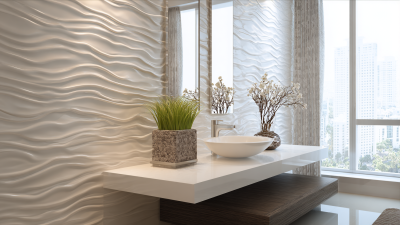
Some panels are designed to mimic natural materials like wood or stone, which can enhance aesthetic appeal.
Sheets are another popular option. They are large and can cover a wide area quickly. These sheets are often used in environments that require easy cleaning and durability.
Tiles, on the other hand, provide versatility. They allow for creative designs with patterns or colors. However, they may require more maintenance due to grout lines.
It’s important to consider the environment where the cladding will be installed.
Certain types perform better in moisture-prone areas, while others are suited for dry indoor spaces. Take your time comparing options and think about both aesthetics and functionality.
Making a choice requires evaluating how each type meets your specific needs. This reflective process can lead to better results for your project.
Evaluating the Key Features and Benefits of PVC Wall Cladding
When selecting PVC wall cladding, understanding its key features and benefits is crucial. PVC cladding is lightweight, durable, and resistant to moisture, making it ideal for various environments. It offers excellent insulation, which can reduce energy costs over time. Additionally, the variety of styles and colors allows for creativity in design.
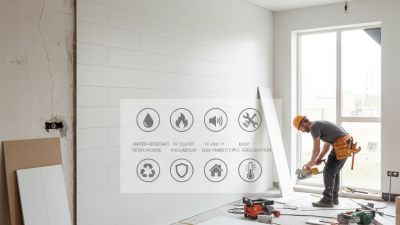
Tips for your project: Evaluate the installation process. Some cladding options require special tools or expertise. Consider DIY methods if you're handy, but be aware of your limits.
Another aspect to consider is maintenance. PVC cladding is often easy to clean and requires minimal upkeep. However, some finishes may show scratches more easily. Think about how the surface will perform in high-traffic areas.
Finally, budget is always a concern. While PVC can be more affordable than other materials, initial costs can vary. Analyze long-term savings versus upfront expenses. Reflect on whether the aesthetic appeal and practicality align with your project's overall vision.
Factors to Consider When Choosing PVC Wall Cladding for Your Project
Choosing the right PVC wall cladding for your project involves careful consideration of several key factors. Durability is essential. Reports indicate that high-quality PVC cladding can last 20-30 years with proper maintenance. This durability is crucial, especially in environments exposed to moisture or harsh weather.
Aesthetics also play a significant role in decision-making. PVC cladding comes in various designs and colors. Nearly 75% of consumers prefer finishes that resemble natural materials like wood or stone. However, some designs may not hold up well under UV exposure, leading to fading. Research shows that 30% of homeowners regret not testing samples before installation.
Another important factor is the ease of installation. Some PVC products require specific tools and techniques. Complex installations can increase project costs and timelines. Data shows that 40% of installation errors occur due to inadequate planning. This highlights the importance of thorough research and preparation. It’s vital to consult professionals who understand the complexities of PVC cladding.
Assessing Aesthetic Options and Design Compatibility in PVC Cladding
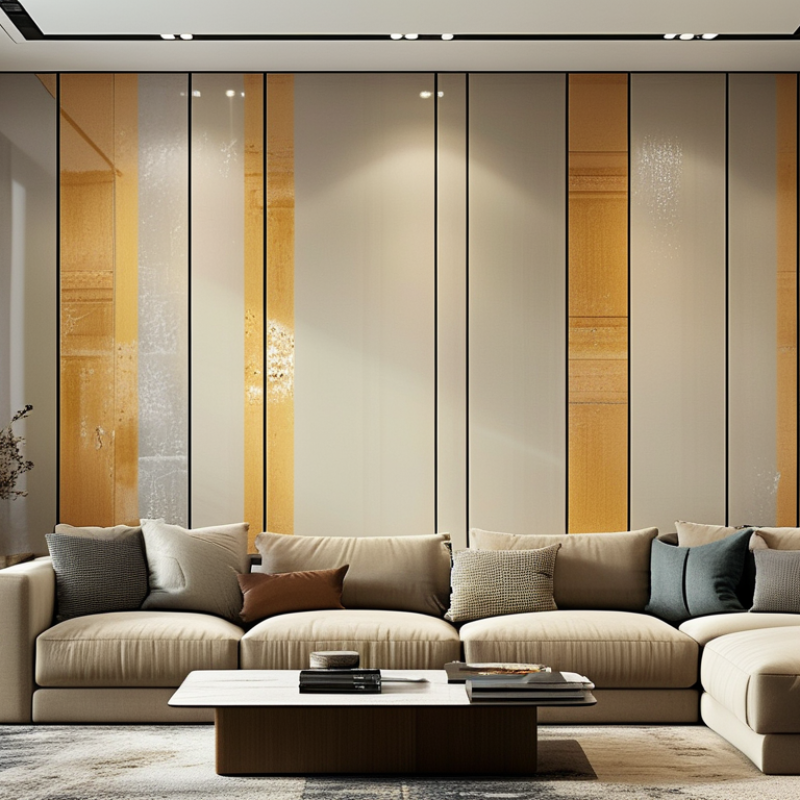
When selecting PVC wall cladding, aesthetics play a crucial role. The design must complement the overall style of your project. According to a report from the Wall and Ceiling Alliance, a well-chosen cladding can enhance a space’s visual appeal by up to 30%. Consider the texture, color, and finish that best suit your environment. For instance, matte finishes can create a more subtle ambiance, while glossy options may add a modern flair.
Tips: Always test samples in your space before making a decision. Lighting can significantly affect the perceived color and texture of PVC panels. Take note of your surroundings and how different options interact with other materials.
Likewise, balance practicality with aesthetics. Some designs may look stunning but may not be suitable for high-traffic areas. A report from the Interior Design Society suggests that durability is a key factor in design compatibility. Consider textures that hide scuffs and scratches, ensuring longevity without sacrificing style. Exploring imperfect designs can also add character, though it requires careful consideration of the overall design message.
Comparison of PVC Wall Cladding Aesthetic Options
Budgeting for PVC Wall Cladding: Costs and Installation Expenses
When budgeting for PVC wall cladding, it’s essential to understand both material costs and installation expenses. The average price for PVC wall panels can range from $2 to $7 per square foot, depending on the style and quality. Higher-end options may escalate the budget significantly. Additionally, specialized textures or finishes commonly increase costs.
Installation expenses vary widely based on complexity. DIY installation can save money, yet professional installation usually costs between $1.50 and $3 per square foot. Reports indicate that improper installation can lead to costly maintenance later on. Therefore, careful planning is crucial. It’s sometimes wise to allocate funds for potential repairs or adjustments after installation.
Remember that long-term durability of PVC cladding can influence initial costs. Industry estimates suggest that investing slightly more upfront can yield better longevity and lower future repair costs. Reflect on your project's scope before deciding. It’s easy to overlook minor details, but they can impact both your budget and the final aesthetic. Budget carefully to avoid surprises.