How to Choose the Best Plastic Wall Cladding for Your Project?
Choosing the best plastic wall cladding for your project requires careful consideration. The global market for plastic wall cladding is expected to grow significantly, projected to reach $12 billion by 2025. This growth is driven by demand for durable and low-maintenance building materials. Experts emphasize the importance of material selection, durability, and aesthetics in making the right choice.
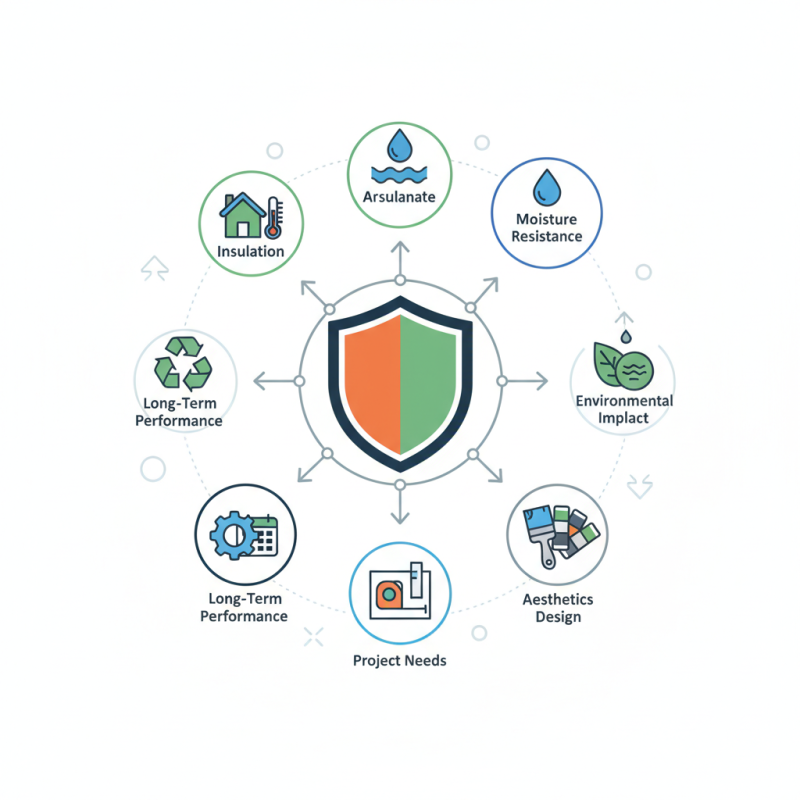
Renowned industry expert Dr. Emily Johnson states, "Investing in quality plastic wall cladding means prioritizing both functionality and visual appeal." Her insight underscores the need to balance performance with design. When selecting plastic wall cladding, factors such as insulation, moisture resistance, and environmental impact must be evaluated.
It’s easy to overlook long-term effects and sustainability. Shiny finishes may attract initially, but their durability can be questionable. Prioritizing how materials perform over time is crucial. Understanding the specific needs of your project, including climate and usage, is vital in making an informed decision about plastic wall cladding.
Understanding the Different Types of Plastic Wall Cladding Materials
When selecting plastic wall cladding, it’s essential to understand the various materials available. PVC cladding is popular due to its durability and resistance to moisture. It's often used in bathrooms and kitchens. However, it can be prone to fading in direct sunlight.
Another option is polypropylene. This material is lightweight and easy to install. It offers excellent impact resistance, making it suitable for high-traffic areas. But, it may not provide the same level of insulation as other materials.
Acrylic cladding presents a stylish choice for many projects. It comes in various colors and finishes. The glossy surface is visually appealing. Yet, it is more expensive and can scratch more easily. Each material has its strengths and weaknesses. Choosing the wrong one can lead to unnecessary costs and maintenance issues. Consider the specific needs of your project carefully.
Types of Plastic Wall Cladding Materials
This chart displays the popularity ratings of different types of plastic wall cladding materials based on various factors such as durability, maintenance, and aesthetic appeal. PVC and Acrylic stand out as the most favored options for wall cladding projects.
Evaluating the Durability and Maintenance Requirements of Plastic Cladding
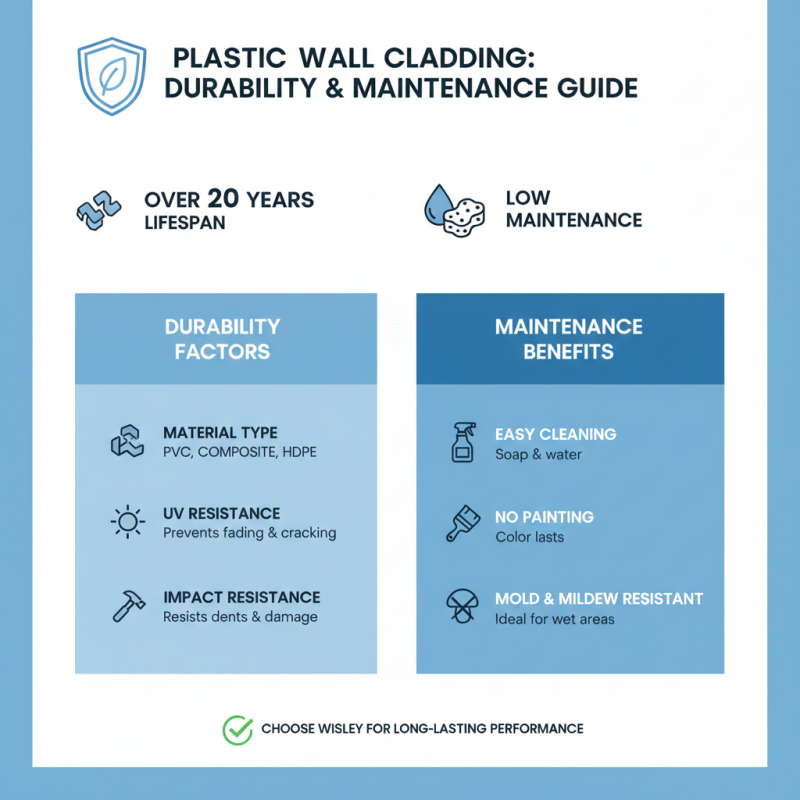
Choosing the right plastic wall cladding requires understanding durability and maintenance. Plastic cladding is known for its longevity. Touted to last over 20 years, its resilience in various environments is impressive. However, not all types are created equal.
Maintenance can vary significantly. Some plastics resist fading, while others may require regular cleaning to maintain appearance. A study by the National Institute for Durability reported that 30% of users faced issues with discoloration after prolonged exposure to sunlight. This statistic highlights the importance of selecting UV-resistant materials.
It's also critical to consider installation methods. Improperly installed panels can lead to water damage. This can be costly to repair. According to industry reports, around 15% of plastic cladding failures stem from poor installation. Yet, many overlook this aspect during planning. Careful consideration will yield better project longevity.
Assessing Aesthetic Options and Design Compatibility for Your Space
When selecting plastic wall cladding, it’s crucial to consider aesthetic options. The color and texture you choose can greatly impact your space. A bright, glossy finish might make a room appear larger. Conversely, muted tones can create a cozy ambiance. Think about the mood you want to set. Are you aiming for modern minimalism, or perhaps a rustic feel?
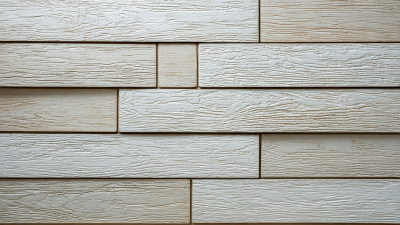
Design compatibility is key. For a contemporary space, sleek and smooth panels suit best. But traditional settings may require wood-like finishes. Keep in mind, there’s a balance to achieve. Sometimes, contrasting styles can clash rather than complement. It could be easy to overlook these details. After all, an impulsive choice can lead to regret.
Also, consider the sustainability of your choice. Some materials may look appealing but lack durability. Look for options that blend beauty with functionality. It is a journey of exploration. Gather samples and visualize how they fit your overall design. Notice how light interacts with different finishes throughout the day. This process often reveals what truly connects with your vision.
Analyzing Cost Factors and Budget Considerations for Cladding Selection
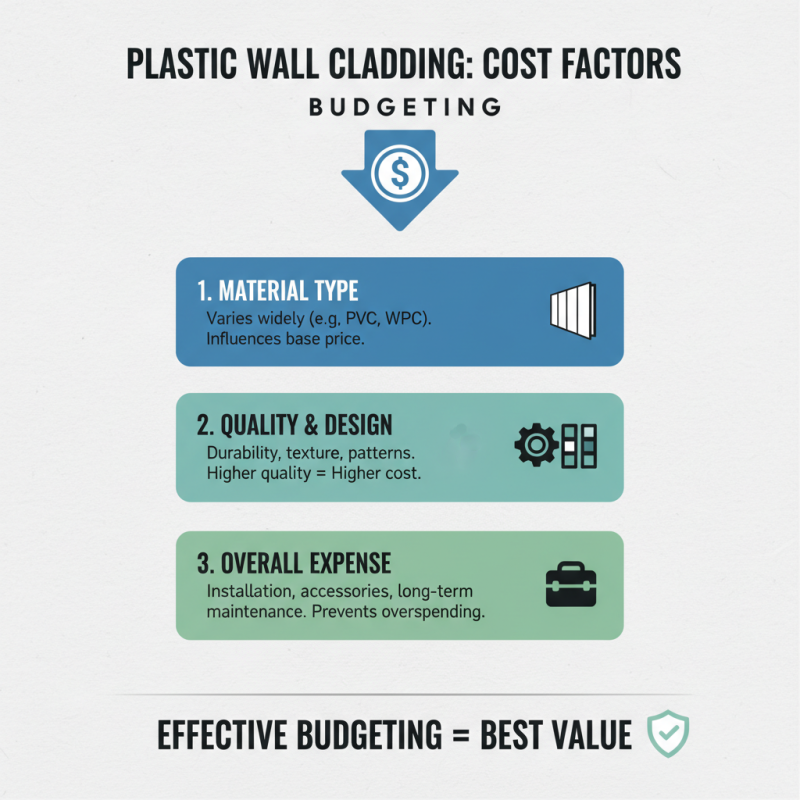
When choosing plastic wall cladding, cost factors must be a priority. The type of cladding material often dictates overall expense. Prices can range significantly based on the quality and design. Budgeting effectively will prevent overspending and ensure you get the best value for your project.
Tips: Always compare prices. Look for bulk purchasing options. Consider lifecycle costs, not just initial prices.
Customization options may increase the budget. Select standard sizes to reduce costs. Check if additional installation materials are needed. Some cladding requires specialized tools or treatments, which can add to the expenses.
Tips: Assess your DIY skills. Hire professionals when needed. Sometimes, it’s more economical to pay for expertise.
Be mindful of hidden costs. Shipping, installation, and maintenance should not be overlooked. An inexpensive cladding choice can become costly over time. Balancing upfront costs with long-term value is essential for a successful project.
Considering Environmental Impact and Sustainability of Plastic Materials
When selecting plastic wall cladding, consider the environmental impact of your choice. Many plastic materials can contribute to pollution if not properly recycled. This is a pressing concern, as our planet faces increasing waste challenges. Recycled plastics are better options. They can reduce the demand for new fossil fuels. Always check if the product contains recycled content.
Sustainability should guide your decision-making. Some plastics can be more eco-friendly than others. Look for certifications that indicate a commitment to sustainability. This could include materials that are free from harmful chemicals. Attractive options may not always be the best. Think about their lifespan and potential waste. Can they be reused or recycled easily?
Incorporating sustainable practices into your project can drive change. It may not be simple. There are so many factors to weigh. Still, making mindful choices leads to better outcomes for the environment. Remember that the small decisions can have a big impact over time. Reflect on the materials you choose. Are they contributing to a healthier planet?