How to Choose the Right Plastic Wall Panels for Your Home
Choosing the right Plastic Wall Panels for your home can be a daunting task. With so many options available, it’s essential to consider your needs. Are you looking for durability, aesthetic appeal, or ease of maintenance?
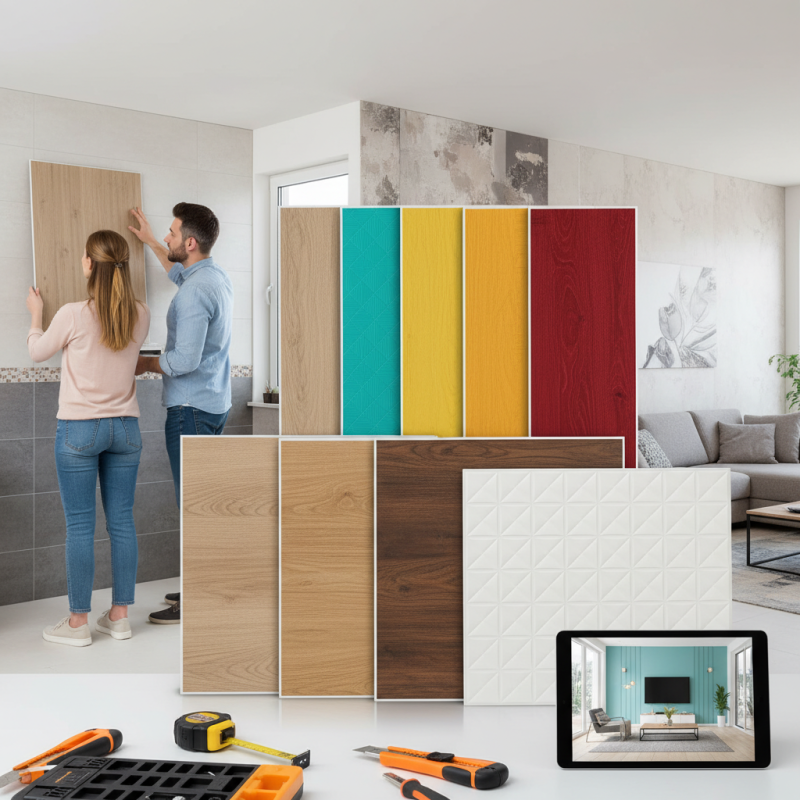
These panels come in various designs and materials. Some mimic wood grain, while others offer vibrant colors. This diversity allows for creative expression in your spaces. However, it's important to not just focus on appearance. Consider factors like moisture resistance and ease of installation.
Sometimes, the best choice may not be the most visually appealing one. Reflect on your lifestyle and the environment of each room. For example, a bathroom requires different qualities than a living room. Weighing functionality against style is crucial. Finding the right balance can lead to a satisfying result.
Understanding the Different Types of Plastic Wall Panels Available
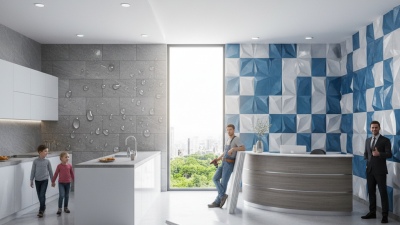
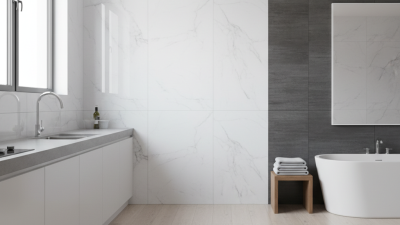
When selecting plastic wall panels, understanding the various types is essential. Each kind has its features. PVC panels are popular for their waterproof qualities. They are often used in bathrooms and kitchens. They come in various finishes, adding style to functional spaces. You may consider how easily they can be installed. Some panels click together, while others may require adhesive.
Acrylic panels are another option. They are lightweight and available in many colors. Acrylic can mimic the look of glass, creating a modern feel. However, they can scratch easily. It’s important to assess your lifestyle before choosing. If you have kids or pets, durability might be a concern.
Polycarbonate panels are sturdy, and they offer a high level of resistance to impact. They might be overkill for some residential settings. Think about the space and the purpose of the panels. Do you want them for a decorative touch or for protection? Reflect on where you’ll use them and how often they require maintenance. Choosing the right type may initially seem overwhelming, but analyzing your specific needs will simplify the process.
Types of Plastic Wall Panels and Their Applications
Assessing the Durability and Maintenance of Plastic Wall Panels
When choosing plastic wall panels, durability is critical. These panels can withstand moisture, making them suitable for bathrooms and kitchens. However, not all panels are created equal. Some offer greater resistance to scratches and impacts than others. Before making a selection, consider where you plan to install them. High-traffic areas like hallways might require tougher materials.
Maintenance is another important factor. Plastic wall panels are often easy to clean. A simple wipe can remove dirt and stains. However, it's vital to check the manufacturer's recommendations. Using harsh chemicals might damage the surface. Some panels may fade in sunlight, necessitating thoughtful placement. Reflect on how these factors will affect your long-term satisfaction with the product. Are you ready for potential fading or easier scratches? Each choice comes with its own set of compromises.
Evaluating Aesthetic Options for Plastic Wall Panels in Your Home
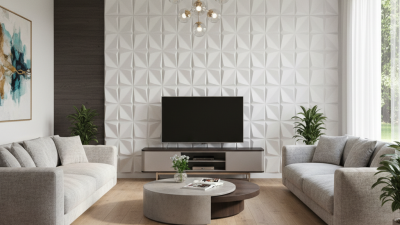
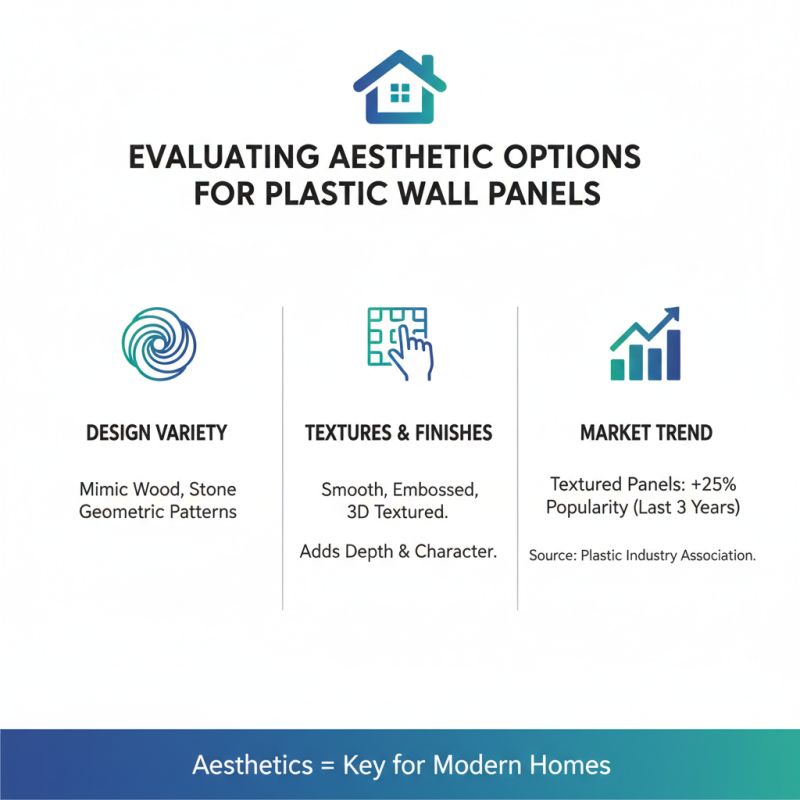
When choosing plastic wall panels for your home, aesthetics play a crucial role. These panels come in various designs and textures. You can mimic natural materials like wood or stone. A report from the Plastic Industry Association indicates that textured wall panels have increased in popularity by 25% over the last three years. This shift highlights the demand for visually appealing options in residential spaces.
Color selection is equally important. Bold colors can uplift a room, while soft hues create a calming atmosphere. According to a study by Design Research, colors like deep blue and sage green are trending for home interiors in 2023. However, it’s essential to contemplate how these colors interact with your existing decor. Not all shades will blend well, leading to potential mismatches.
Additionally, consider the pattern and finish of the panels. Glossy finishes may reflect too much light, causing glare. On the other hand, matte finishes can absorb light, creating a somber feel. Take time to visualize how various options fit within your space. Avoid rushing your decision, as the wrong choice can lead to dissatisfaction.
Considering Installation Methods and Requirements for Wall Panels
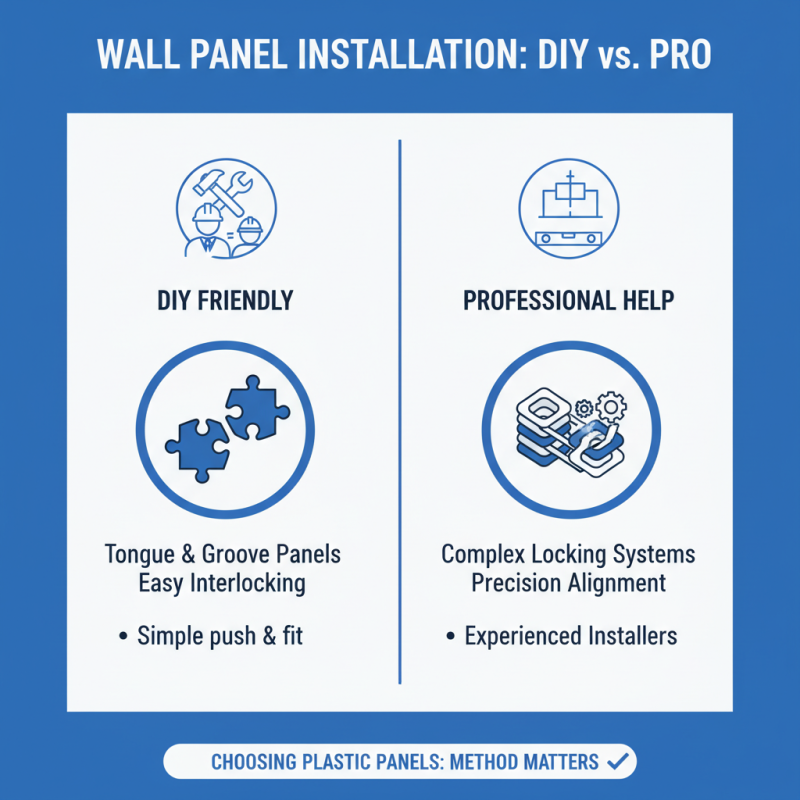
When selecting plastic wall panels, installation methods are crucial. Some panels are designed for easy DIY setups, while others may require professional help. For instance, tongue-and-groove panels fit together like puzzle pieces. They can be simple for a homeowner to install. However, panels with complex locking systems may need experienced hands.
Consider the wall surface before installation. Smooth surfaces work well with adhesive panels, but rough or uneven walls may complicate the process. If your walls are not prepared properly, you might end up with gaps or bubbles. This leads to a less professional look that can be frustrating. Think about whether you have the tools and skills for installation.
Another point to reflect on: not all panels are suitable for every room. For example, while moisture-resistant panels seem ideal for bathrooms, humidity can still affect them. Make sure you weigh the pros and cons. If a specific installation method seems daunting, it could save time and energy to consult a pro. In the end, thoughtful installation greatly impacts the beauty of your living space.
Budgeting for Your Plastic Wall Panel Project: Costs and Options
When budgeting for your plastic wall panel project, it’s crucial to consider several factors. Prices can vary widely based on the type of panels you choose. For example, basic panels are often more affordable than specialized or decorative options. It’s essential to determine your budget before shopping. Having a clear number in mind will streamline your choices.
**Tips:** Research local prices. Some stores may have better deals. Don’t hesitate to ask about bulk discounts if you need a large quantity. Consider leftover materials too; they might save you money on future projects.
Remember to account for installation costs. Installing panels yourself can cut expenses, but not everyone has the skills. Hiring professionals may be worth it for a polished finish. Factor in hidden costs, like tools or adhesives, which can stack up quickly. It’s easy to underestimate the overall cost without careful planning.
**Tips:** If you’re unsure, consult with a professional early on. Their insights could prevent budget overruns. Keep track of your expenses as you go, which can help identify potential cuts if needed.