Why Choose PVC Hygienic Wall Cladding for Your Next Construction Project
In the ever-evolving construction industry, the choice of materials plays a crucial role in achieving durability, hygiene, and aesthetic appeal. One material that stands out for its exceptional properties is PVC Hygienic Wall Cladding. As noted by industry expert Dr. Jane Smith, “PVC Hygienic Wall Cladding is not just about looks; it’s about creating safe and clean environments that promote health and efficiency.” This innovative solution has gained popularity across various sectors, including healthcare, food processing, and commercial spaces, where cleanliness is paramount.
The benefits of using PVC Hygienic Wall Cladding extend beyond its easy maintenance and resistance to moisture and bacteria. It offers a seamless finish that eliminates dirt traps and reduces the risk of contamination, making it an ideal choice for spaces that require stringent hygiene standards. Moreover, with its lightweight nature and versatile design options, architects and builders can easily incorporate this material into their projects without compromising on visual appeal.
As construction projects increasingly prioritize hygienic solutions, the adoption of PVC Hygienic Wall Cladding is becoming a standard practice. By selecting this innovative material, builders not only adhere to regulatory requirements but also contribute to the overall safety and comfort of the environments they create.
Benefits of PVC Hygienic Wall Cladding in Construction Projects
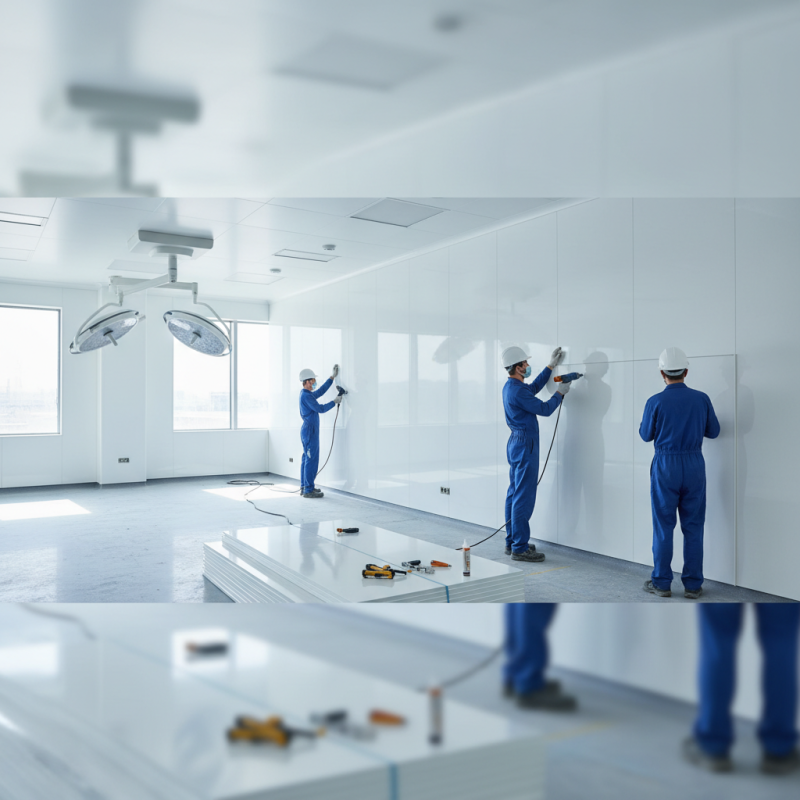
PVC hygienic wall cladding has become a popular choice in construction projects, particularly in environments that require strict cleanliness and hygiene standards. Its non-porous surface makes it resistant to mold, mildew, and bacteria, making it ideal for medical facilities, food processing plants, and commercial kitchens. The easy-to-clean nature of PVC ensures that surfaces remain spotless, reducing the risk of contamination and maintaining a safe environment for workers and customers alike.
When considering PVC wall cladding for your project, here are a couple of tips. Firstly, assess the installation requirements; proper installation is crucial for maximizing the material's benefits. Ensure that qualified personnel handle the installation to avoid any future issues. Secondly, consider the design aesthetics in addition to functionality. PVC cladding comes in various colors and finishes, allowing you to match the decor of any space while still adhering to hygiene standards. This dual focus on both appearance and practicality can enhance the overall ambiance of your facility.
Moreover, PVC wall cladding is durable and cost-effective. It withstands impact and wear and tear better than many other wall finishes, ensuring a long lifespan with minimal maintenance. This longevity not only saves money on repairs and replacements but also contributes to sustainability by reducing waste in construction projects. Investing in PVC wall cladding can ultimately lead to a cleaner, safer, and more visually appealing environment.
Durability and Maintenance Advantages of PVC Wall Cladding
When it comes to choosing materials for construction projects, PVC hygienic wall cladding stands out due to its remarkable durability and low maintenance requirements. This type of wall cladding is engineered to withstand the rigors of demanding environments, making it an ideal choice for healthcare facilities, food production areas, and other spaces that require strict hygiene standards.
Unlike traditional materials that may chip, crack, or stain over time, PVC cladding is resistant to moisture, mold, and mildew proliferation. Its robust surface ensures that it remains intact and visually appealing, even under high-stress conditions.
Maintenance is another significant advantage of PVC wall cladding. The smooth, non-porous surface of PVC makes cleaning effortless, requiring only mild detergents and water for routine maintenance. This not only saves time and labor costs but also helps maintain a hygienic environment without the need for harsh chemicals. Additionally, the absence of grout lines eliminates the potential for dirt accumulation, further enhancing cleanliness.
With its combination of durability and ease of maintenance, PVC hygienic wall cladding proves to be a smart, long-term investment for construction projects looking to prioritize both functionality and aesthetics.
Aesthetic Options Available in PVC Hygienic Wall Cladding
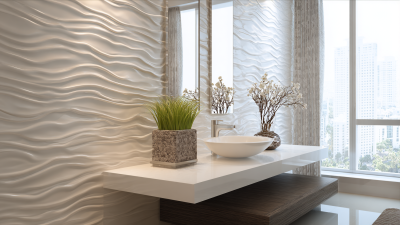
When considering aesthetic options for your construction project, PVC hygienic wall cladding stands out due to its versatility and visual appeal. Available in a range of colors, textures, and finishes, PVC cladding can cater to various design preferences while meeting hygiene standards. According to a report by the Research and Markets, the global market for wall coverings is predicted to grow significantly, with PVC products gaining popularity in medical, food processing, and hospitality sectors for their blend of aesthetics and functionality.
Moreover, installation of PVC cladding can enhance the overall ambiance of a space without compromising on cleanliness. The smooth surface of PVC allows for easy cleaning and maintenance, which is essential in hygiene-sensitive environments. A study conducted by the International Journal of Hygiene and Environmental Health highlighted that materials like PVC can reduce bacterial growth by up to 99%, making it an ideal choice for areas requiring stringent hygiene control.
Tips: When selecting PVC cladding for your project, consider choosing finishes that complement the overall design theme of your space. Lighter colors can make a space feel more open and airy, while darker shades may promote a cozy atmosphere. Additionally, opting for textured patterns can add depth and interest without sacrificing hygiene. Always ensure that you verify the installation guidelines to achieve the best results in both durability and appearance.
Why Choose PVC Hygienic Wall Cladding for Your Next Construction Project
This bar chart represents the importance ratings of various benefits of using PVC hygienic wall cladding in construction projects. Each factor is rated on a scale from 1 to 10, indicating its value in making the decision to use PVC cladding.
Cost-Effectiveness: Comparing PVC to Traditional Wall Finishes
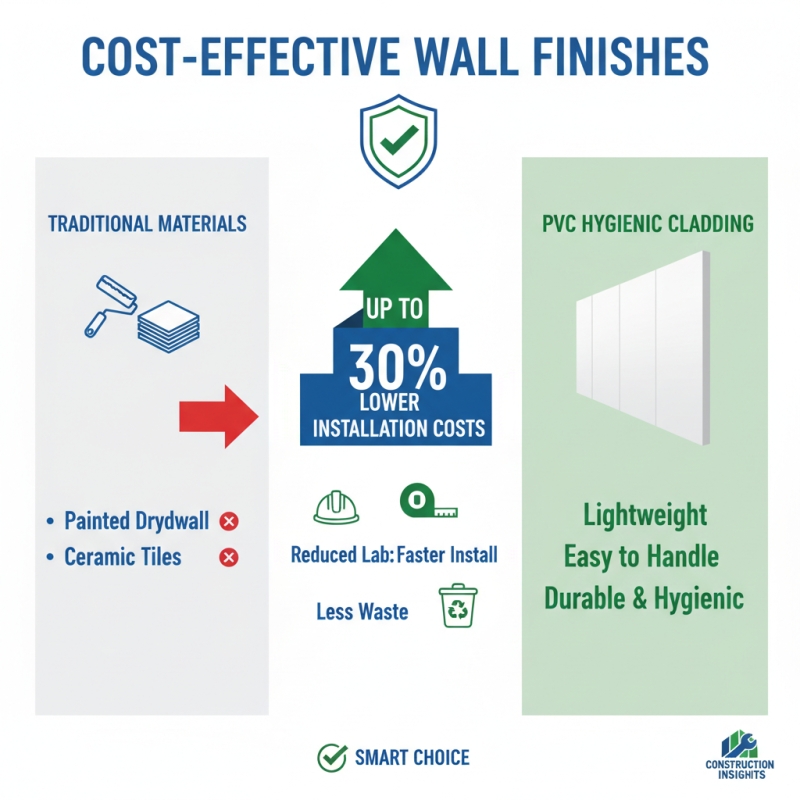
When considering wall finishes for your next construction project, cost-effectiveness is often at the forefront of decision-making. PVC hygienic wall cladding offers a compelling advantage over traditional materials such as painted drywall or ceramic tiles. According to recent industry reports, installation costs for PVC cladding can be up to 30% lower than that of traditional finishes due to its lightweight nature and ease of handling, reducing labor time and material waste.
Moreover, maintenance costs present a significant long-term benefit. PVC wall cladding is resistant to moisture, mold, and mildew, which translates to less frequent replacements and repairs. Industry studies indicate that the lifecycle cost of PVC hygienic wall finishes is about 20% lower compared to ceramic tiles, as they require minimal upkeep beyond regular cleaning. This durability is particularly valuable in sectors like healthcare and food service, where hygiene is critical.
Tips: When selecting PVC hygienic wall cladding, consider opting for thicker panels as they tend to offer increased impact resistance. Additionally, measure your space accurately before purchase to avoid excess waste, and ensure proper installation to maximize the longevity of your investment.
Environmental Impact and Sustainability of PVC Materials
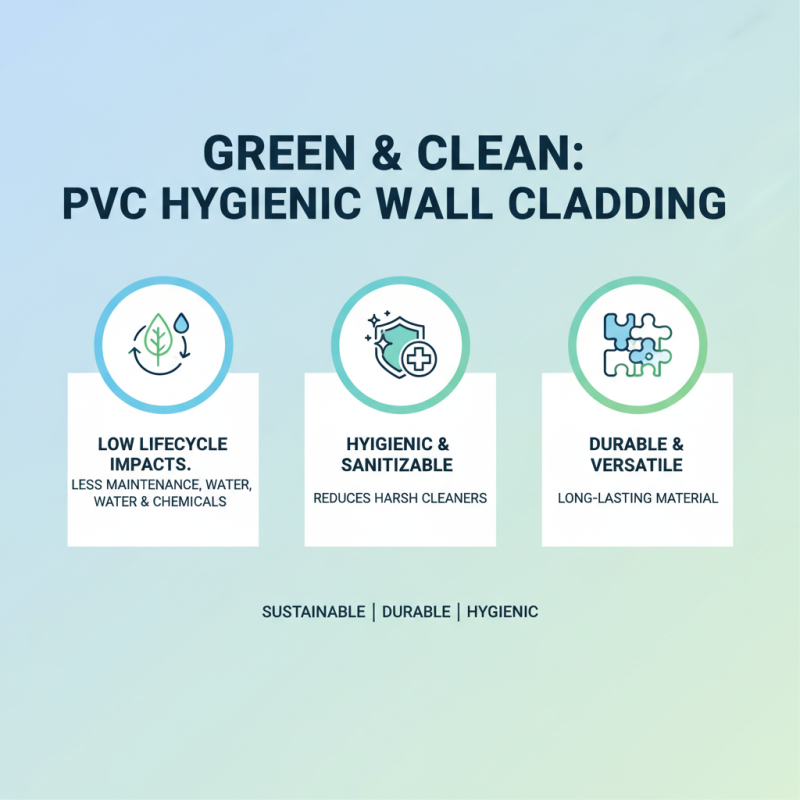
When considering materials for construction projects, the environmental impact and sustainability of PVC hygienic wall cladding make it a noteworthy option. PVC, or polyvinyl chloride, is a versatile plastic that has been embraced for its durable properties and ease of maintenance. Unlike traditional materials, PVC does not require extensive resources for upkeep, which contributes to lower lifecycle impacts. The ability to clean and sanitize PVC surfaces effectively, especially in environments like hospitals and food processing facilities, further enhances its eco-friendly profile as it reduces the need for harsh chemical cleaners.
Moreover, the manufacturing process of PVC has evolved significantly, with many producers now adopting more environmentally conscious practices. Advances in technology have allowed for improved recycling methods, meaning that end-of-life PVC products can be reprocessed and reused in new applications, thus minimizing waste in landfills. By choosing PVC hygienic wall cladding, construction projects can align with sustainability goals while providing a functional and aesthetically pleasing solution that meets modern environmental standards. The material's longevity and reduced maintenance requirements lead to a lower carbon footprint, making it a prime candidate for eco-friendly construction initiatives.