Why Choose Pvc Cladding Exterior for Your Home Upgrade?
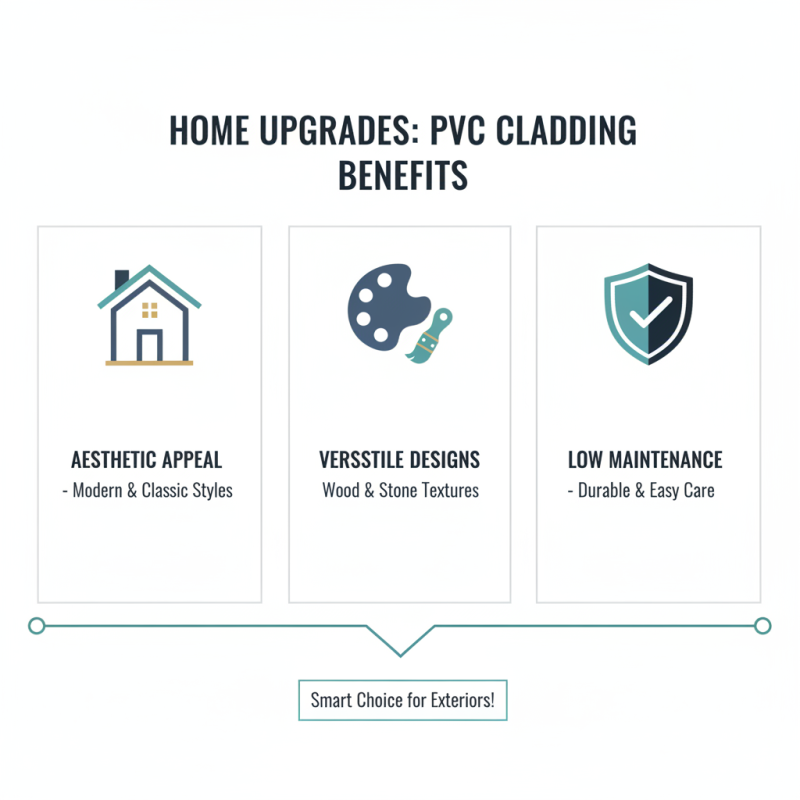
Upgrading your home is a significant decision. One choice that stands out is using PVC cladding exterior. This material offers a blend of aesthetics and practicality. Homeowners often seek durable options that require minimal maintenance. PVC cladding exterior fits this description perfectly.
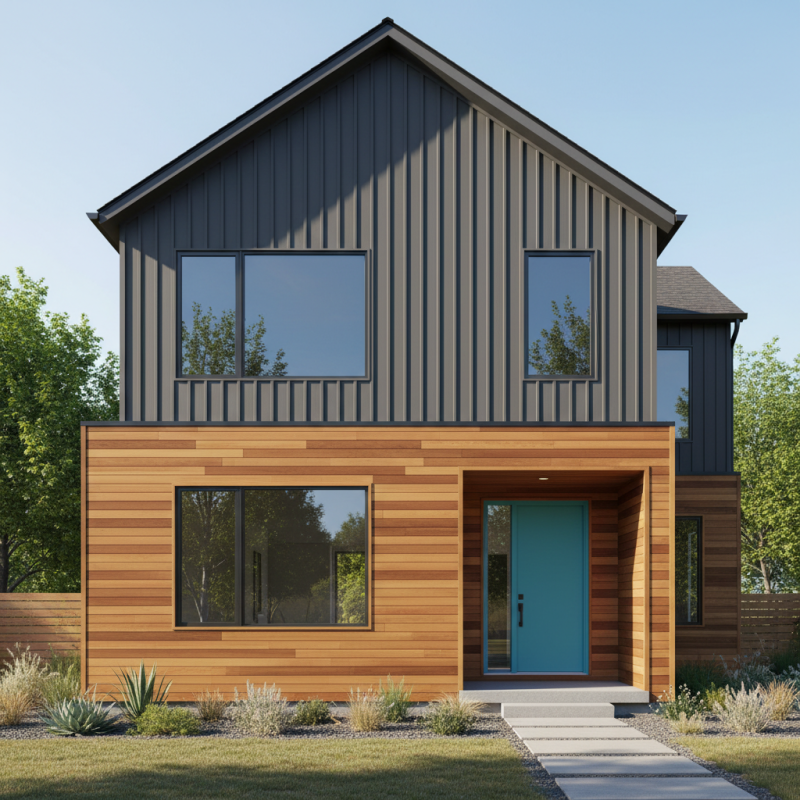
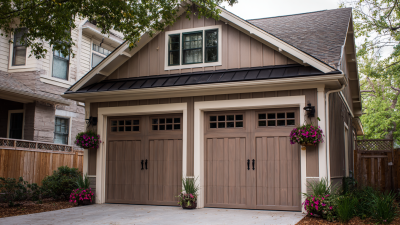
Imagine the impact of vibrant colors and textures on your home's façade. With various designs available, there’s something for every style. It can mimic natural wood or offer a contemporary look. This flexibility appeals to diverse tastes, making it a popular choice.
However, some may wonder about the long-term performance. Will it withstand the elements? It’s crucial to consider product quality and installation. Reflecting on these aspects can lead you to a more informed decision. Ultimately, the right choice can enhance your home's value and appeal.
Advantages of PVC Cladding for Home Exteriors
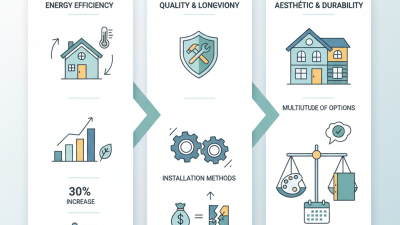
PVC cladding is becoming a popular choice for home exteriors. This material offers several advantages that are hard to ignore. One key benefit is its longevity. According to industry reports, PVC cladding can last up to 30 years with minimal maintenance. It's resistant to rot and pests, which makes it a reliable option.
Another significant advantage is energy efficiency. Homes with PVC cladding can see a reduction in heating and cooling costs. Studies have shown that well-insulated homes can save over 20% on energy bills each year. This improvement in insulation is crucial as energy prices continue to rise.
Aesthetically, PVC cladding is versatile. It comes in various colors and finishes, allowing for personalized designs. Homeowners can achieve a modern look without worrying about fading. However, not everyone appreciates its appearance. Some prefer traditional materials like wood for their warmth and texture. This is a point worth considering when upgrading your home's exterior. Balancing practicality with personal style can be challenging but necessary for lasting satisfaction.
Durability and Maintenance Benefits of PVC Cladding
PVC cladding is gaining popularity for home exterior upgrades. Its durability is a significant factor. Reports suggest that PVC can last over 30 years. This lifespan is three times longer than wood siding. Homeowners appreciate the resistance to rot, corrosion, and insects. These features reduce the need for frequent repairs or replacements.
Maintenance is another key advantage. PVC cladding requires minimal upkeep. A simple wash with soap and water keeps it looking fresh. Unlike traditional materials, there is no need for regular painting or staining. This not only saves time but also cuts down costs. Many homeowners have found that they save approximately 30% on maintenance costs compared to wood.
Despite these benefits, some may question the environmental impact of PVC. While it does not decompose easily, proper recycling methods can mitigate waste issues. It also reflects sunlight, improving energy efficiency. One study indicated homes with PVC cladding had lower cooling costs. Homeowners must weigh these factors when considering their choices. It’s essential to analyze both the benefits and the potential drawbacks.
Why Choose PVC Cladding Exterior for Your Home Upgrade? - Durability and Maintenance Benefits of PVC Cladding
| Feature |
Benefit |
Durability Rating |
Maintenance Level |
| Water Resistance |
Prevents mold and mildew growth |
5/5 |
Low |
| UV Resistance |
Maintains color integrity over time |
4/5 |
Low |
| Impact Resistance |
Resistant to dents and cracks |
4/5 |
Medium |
| Termite Resistance |
Does not attract pests |
5/5 |
Very Low |
| Maintenance-Free |
No painting or staining required |
5/5 |
Very Low |
Aesthetic Appeal: Design Options with PVC Cladding
When considering home upgrades, PVC cladding stands out for its aesthetic appeal. This material offers various design options that can transform your home's exterior. From sleek modern looks to classic styles, there's a choice for every preference. You might prefer the clean lines of a minimalist design. Alternatively, consider textures that mimic wood or stone. These options create depth and interest without the maintenance hassle.
Colors are another exciting aspect. PVC cladding comes in a vast array of hues. Bright colors can make a bold statement, while neutral tones create a serene atmosphere. During your selection process, take your time to visualize how different colors will interact with your surroundings. A poor choice might overshadow your landscape or clash with architectural details.
Not every option will fit all homes. It's crucial to consider the architectural style of your property. Sometimes, a trendy design might not resonate with the original character of your home. Striking the right balance is essential. Ensure that your choice of PVC cladding enhances what’s already there, rather than distracts from it. Aim for a cohesive look that truly reflects your personal style.
Cost-Effectiveness of PVC Cladding in Home Renovation
When considering home renovation, PVC cladding stands out for its cost-effectiveness. Its initial installation cost is lower compared to traditional materials. Homeowners can save significantly on labor and material costs. This makes PVC an appealing choice for budget-conscious renovations.
Moreover, PVC cladding requires minimal upkeep. Unlike wood, it doesn't need regular painting or staining. This can lead to savings over time. Consider the long-term financial benefits in your decision. Property owners often overlook maintenance costs, which can add up quickly.
Yet, it’s essential to reflect on the aesthetics. Some find PVC cladding less appealing than natural materials. This might impact your home's curb appeal. Balancing your budget with visual preferences can be challenging. With careful thought, you can choose an upgrade that meets both financial and aesthetic needs.
Environmental Impact of Choosing PVC Cladding for Your Home
PVC cladding is gaining attention for home upgrades. One aspect that often gets overlooked is its environmental impact. Like many materials, PVC has its pros and cons. It is made from plastic, which raises concerns about sustainability. However, its durability can offset some negative effects.
The production process of PVC can release harmful chemicals. Still, many manufacturers are improving their methods. They are working to minimize emissions and recycle waste. This shift reflects a growing awareness of environmental responsibilities. It’s important to consider how long the cladding lasts. A longer lifespan means less frequent replacements and a smaller carbon footprint.
Another detail often missed is the energy efficiency of PVC. It helps insulate homes, reducing heating and cooling costs. This can result in less energy consumption over time. There’s room for improvement in sourcing materials, though. Consumers must examine not just the end product but also its journey. By reflecting on these aspects, homeowners can make informed decisions that align with their values. Balancing aesthetics and eco-friendliness is key.