Best PVC Bathroom Wall Panels for Modern Homes?
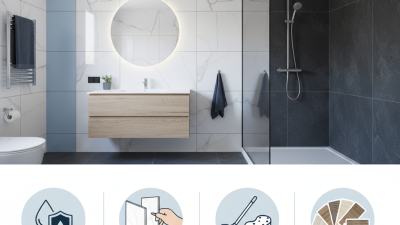
When it comes to modern bathroom design, choosing the right materials is crucial. PVC bathroom wall panels have emerged as a popular option for homeowners seeking both functionality and style. According to industry expert, John Thompson, a leading designer in home renovations, “PVC bathroom wall panels offer unmatched versatility and ease of maintenance, making them ideal for contemporary settings.” This statement highlights the growing trend of selecting PVC panels for bathroom renovations.
Beyond aesthetics, these panels provide durability that traditional materials often lack. They are resistant to moisture and mold, which are common issues in bathrooms. The lightweight nature also allows for easier installation compared to tiles or drywall. However, not all PVC panels are created equal. Some products may not meet quality standards, leading to potential issues over time.
It's vital to consider the overall theme of your bathroom when selecting PVC panels. Removing outdated materials and integrating modern designs can significantly transform your space. The right selection can enhance both beauty and functionality, making each bathroom experience refreshing. Yet, one must tread carefully, ensuring that the panels chosen reflect a commitment to quality and longevity.
Overview of PVC Bathroom Wall Panels and Their Benefits
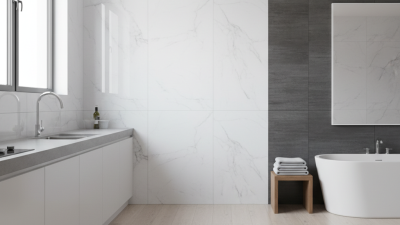
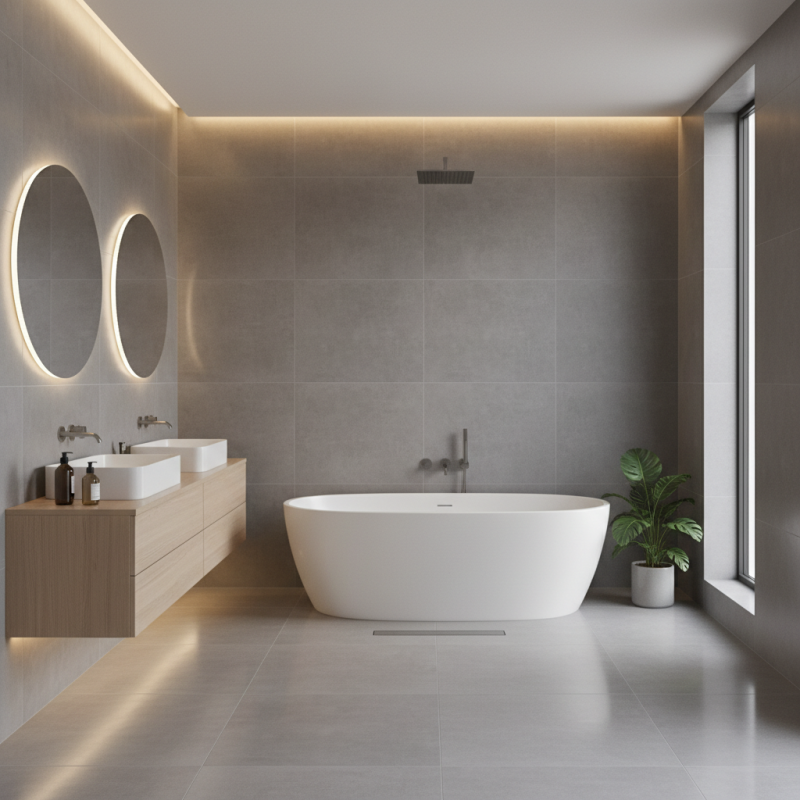
PVC bathroom wall panels are becoming increasingly popular in modern homes. They offer a stylish yet practical solution for bathroom renovations. With various designs and textures, they can mimic natural stone or sleek tiles, adding an aesthetic touch to your space. The lightweight nature of PVC makes it easy to install, even for DIY enthusiasts. Homeowners appreciate this as it saves time and labor costs.
One of the primary benefits of PVC panels is their resistance to moisture. Unlike traditional materials, they do not warp or swell in humid conditions. This property significantly extends the life of the panels, making them a reliable choice for wet areas. Cleaning PVC panels is a breeze, requiring only a damp cloth for maintenance. However, some users may find them less durable than ceramic or stone alternatives, causing a need for careful selection.
Another advantage is their affordability. PVC panels are often more cost-effective than other wall coverings. They provide a waterproof barrier without breaking the bank. However, it is crucial to consider potential drawbacks. Over time, some panels may fade or discolor if exposed to harsh cleaning chemicals or sunlight. This could lead to a less appealing appearance and requires mindfulness when choosing cleaning products. Thus, while PVC panels are a great option for many, understanding their limitations is essential for a lasting installation.
Best PVC Bathroom Wall Panels for Modern Homes
| Panel Type |
Thickness (mm) |
Water Resistance |
Ease of Installation |
Price Range (Per sq. ft) |
| Smooth Finish |
5 |
Excellent |
Easy |
$2.50 - $3.50 |
| Textured Panels |
6 |
Good |
Moderate |
$3.00 - $4.00 |
| 3D Panels |
7 |
Very Good |
Challenging |
$4.00 - $5.50 |
| Laminated Panels |
4 |
Good |
Easy |
$2.00 - $3.00 |
| Waterproof Vinyl Panels |
5 |
Excellent |
Easy |
$3.00 - $4.50 |
Key Features to Look for in PVC Bathroom Wall Panels
When choosing PVC bathroom wall panels, consider durability and water resistance. PVC panels are ideal for bathrooms due to their resilience against moisture. They won't warp or swell, unlike traditional materials. This resistance ensures a longer lifespan, making them a practical choice for modern homes.
Look for easy installation features. Some panels come with interlocking systems that simplify the process. This can save time and reduce labor costs. Additionally, lightweight panels are easier to handle. Bright colors and patterns can enhance the bathroom's aesthetics without requiring heavy maintenance.
Check for safety certifications as well. Not all PVC panels are created equal. Some may release harmful chemicals over time. Opt for products that meet industry safety standards to ensure your family's health. It's essential to research and select reliable manufacturers. Create a beautiful space while being mindful of the potential challenges in the selection process.
Popular Designs and Styles of PVC Bathroom Wall Panels
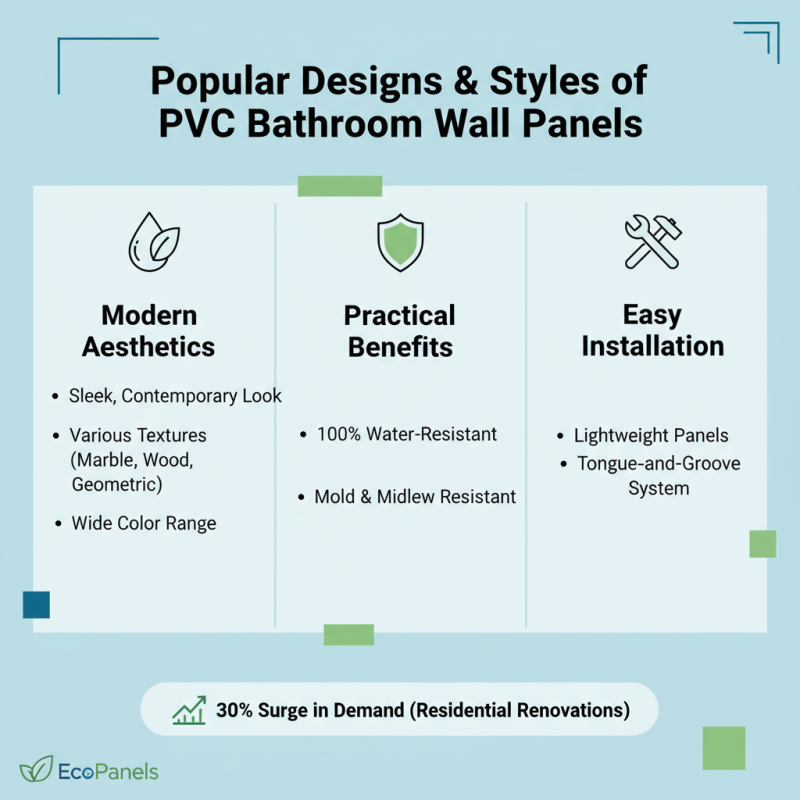
PVC bathroom wall panels have gained popularity for their modern aesthetics and practical benefits. Homeowners increasingly appreciate their water-resistant properties. Recent industry data indicates a 30% surge in demand for PVC panels in residential renovations. These panels are lightweight and easy to install, making them a preferred choice.
In terms of design, the variety is extensive. From sleek, glossy finishes to textured surfaces that resemble natural stone, options abound. A survey by the Interior Design Association revealed that 65% of homeowners favor panels that mimic authentic materials. Moreover, vibrant colors and patterns can enhance the overall ambiance of a bathroom. However, with so many choices, some might struggle to find the right fit.
While PVC panels offer durability, they also require careful cleaning. Over time, wear and tear can compromise their appearance. Regular maintenance is essential to ensure longevity. Emerging trends indicate a shift towards eco-friendly production methods as consumers become more conscious of sustainability. The industry shows promise in developing innovative solutions. This will likely lead to improvements in materials and styles, aligning with modern homeowners' needs.
Installation Tips for PVC Bathroom Wall Panels
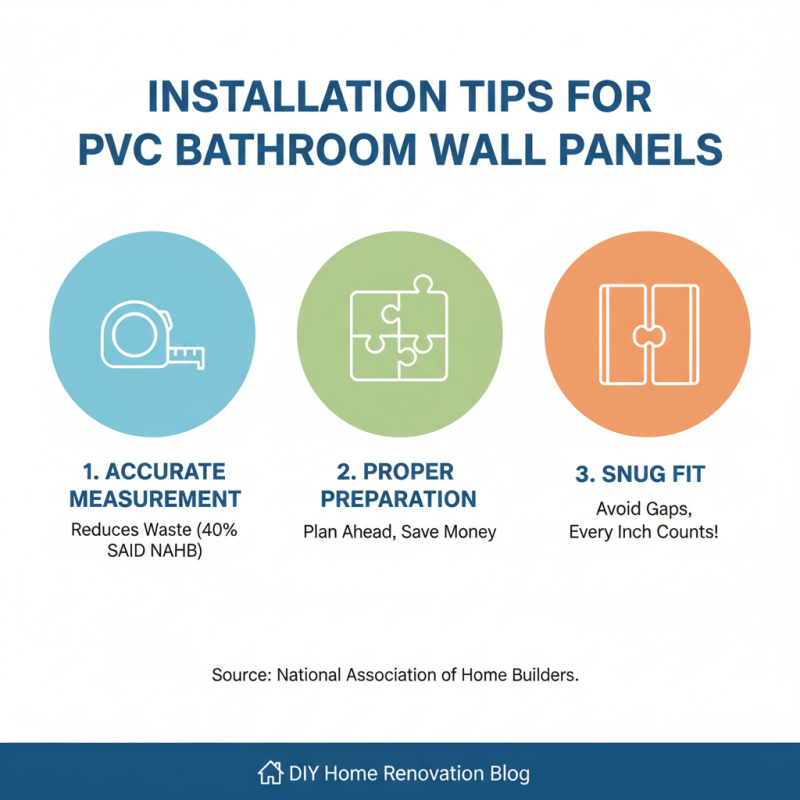
When installing PVC bathroom wall panels, proper preparation is crucial. Start by measuring your wall area accurately. A well-planned installation can reduce waste and save you money. According to the National Association of Home Builders, incorrect measurements account for 40% of material waste in home renovations. Every inch counts; ensure your panels fit snugly to avoid gaps.
Next, surface preparation is vital. Ensure the walls are clean, dry, and free from mold. Inadequate preparation can lead to peeling and mold growth. In fact, a study from the CDC indicates that damp environments promote mold development. Seal any cracks and apply a primer if necessary. This can enhance adhesion and the longevity of your installation.
Consider using adhesive specifically designed for PVC. A common mistake is opting for universal adhesives. These may not bond effectively with PVC, leading to panel detachment over time. Also, the installation process can be challenging. Regular breaks can help you maintain focus and accuracy. Remember, a rushed job may seem quicker but can lead to costly mistakes later. Always invest the time needed for a precise installation.
Maintenance and Care for Long-Lasting PVC Bathroom Wall Panels
PVC bathroom wall panels are a popular choice for modern homes due to their durability and aesthetic appeal. However, they also require proper maintenance and care to ensure their longevity. Regular cleaning is essential. Use a soft cloth and mild soap to wipe down the panels. Avoid harsh chemicals, as they can damage the surface. A simple weekly cleaning routine can prevent the buildup of soap scum and limescale.
Moisture is the enemy of PVC panels. Ensure good ventilation in your bathroom to minimize humidity. Consider installing an exhaust fan if your bathroom lacks airflow. This can prevent mold and mildew growth, which can be challenging to remove once established. Inspect the seams and edges regularly. If you notice any cracks or gaps, address them immediately to avoid water infiltration.
While PVC panels are generally resistant to water, neglect can lead to unforeseen issues. You might find bubbling or peeling in areas with high moisture. If this happens, it’s crucial to reassess your bathroom’s ventilation and moisture levels. Maintaining these panels is not just about cleaning surfaces; it’s about creating a sustainable environment. Keeping an eye on these factors will enhance the appearance and lifespan of your bathroom walls.