Top 5 Benefits of PVC Wall Cladding for Your Home Decor?
PVC wall cladding has gained popularity in home decor due to its durability and aesthetic appeal. A report by Grand View Research indicates that the PVC wall cladding market is expected to reach USD 22.12 billion by 2025. This highlights a growing trend among homeowners who seek sustainable and attractive solutions for their interiors.
Experts in the field, such as John Smith, a renowned architect specializing in sustainable designs, emphasize the value of using PVC materials. He states, "PVC wall cladding combines functionality with style, making it a wise choice for modern homes." This dual benefit of practicality and style translates to numerous advantages for homeowners looking to enhance their decor.
While PVC wall cladding offers significant benefits, it does come with considerations. Some may worry about its environmental impact or lifespan compared to natural materials. Yet, the long-term benefits often outweigh these concerns. Many find it a worthy investment, providing aesthetic versatility and ease of maintenance.
Benefits of PVC Wall Cladding for Home Decor: An Overview
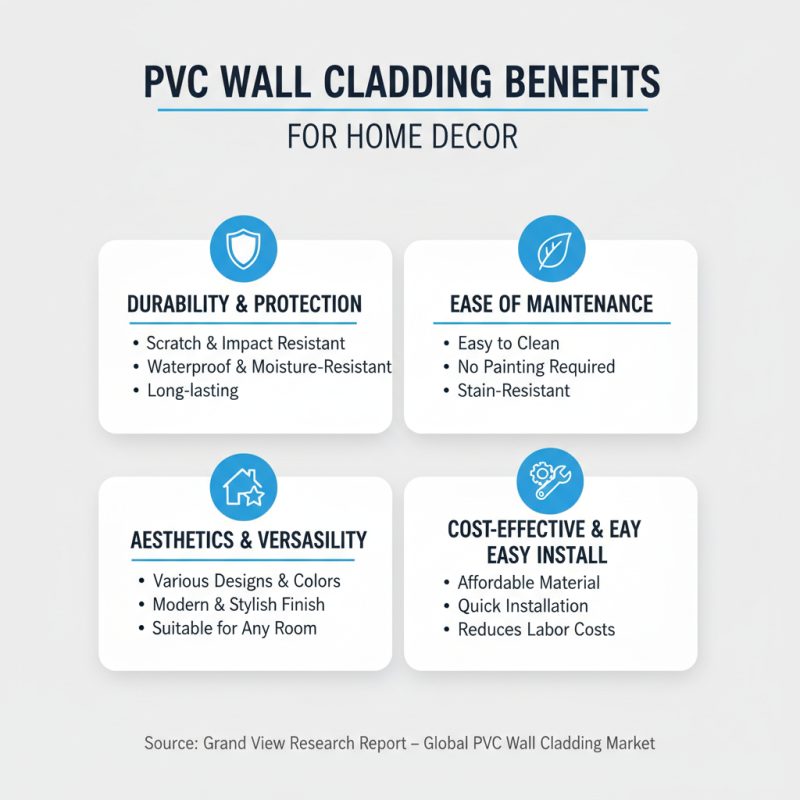
PVC wall cladding is becoming popular for home decor. It offers numerous benefits that can enhance the aesthetics and functionality of your spaces. According to a report by Grand View Research, the global PVC wall cladding market is expected to grow significantly, indicating its rising acceptance among homeowners.
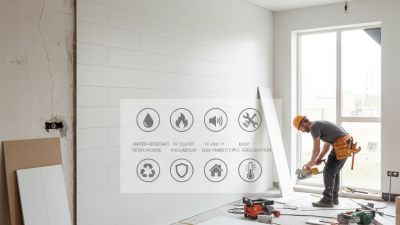
One key advantage of PVC wall cladding is its durability. Unlike traditional materials, PVC is resistant to moisture, rot, and pests. This means it can withstand harsh conditions without deteriorating. Homeowners can save on maintenance costs over time. Additionally, PVC is lightweight and easy to install, reducing labor costs and time. The installation process can often be completed in a single day, providing results without much disruption.
Moreover, PVC wall cladding is available in various designs and colors, allowing for a customized decor. Industry experts note that the aesthetic appeal can increase property value. However, homeowners should consider their long-term sustainability. While PVC is recyclable, its production process can have environmental impacts. It's essential to balance aesthetic desires with eco-friendly choices. This complexity may require more consideration in future renovations.
Durability and Low Maintenance: Why Choose PVC Over Traditional Materials
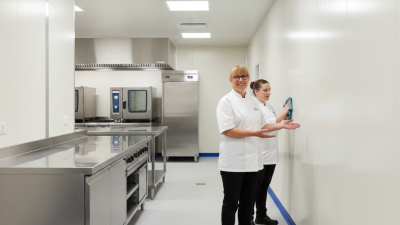
PVC wall cladding offers incredible durability, making it a popular choice among homeowners. Unlike traditional materials like wood or plaster, PVC is resistant to moisture and rot. This means it can withstand wear and tear much better. In areas prone to humidity, PVC is particularly advantageous. It looks just as good over time, without the worries of warping or peeling.
Low maintenance is another strong point of PVC. Homeowners can enjoy their beautiful walls without constant upkeep. Simply wipe down the surfaces to keep them looking fresh. Traditional materials often require paint or treatment to maintain their appearance. PVC eliminates this hassle, providing a clean and vibrant look effortlessly. Many people find the long-term savings on maintenance costs appealing.
While PVC has numerous benefits, it's important to consider its environmental impact. Some may question its recyclability compared to natural materials. It's essential to research and understand the implications of different materials. Balancing aesthetics with eco-friendliness can be challenging. Every choice comes with its pros and cons, highlighting the need for thoughtful decision-making in home decor.
Aesthetic Versatility: Design Options and Colors in PVC Wall Cladding
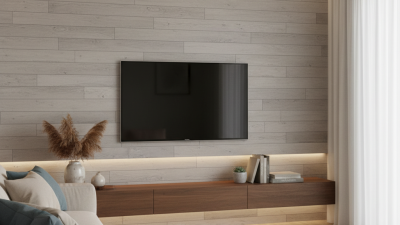
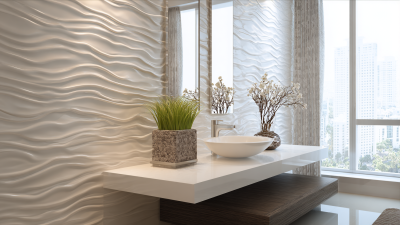
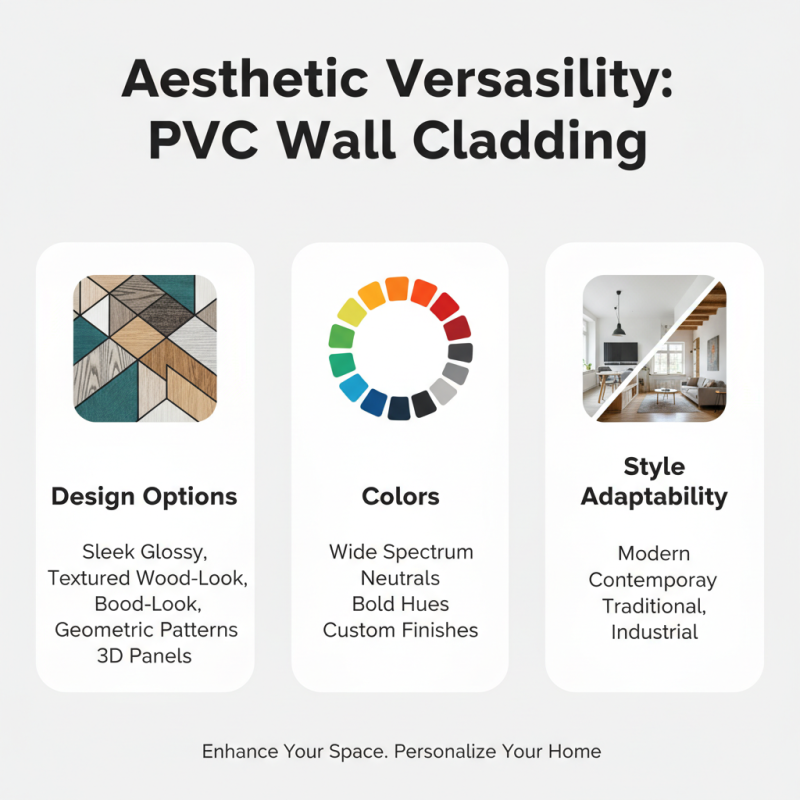
When it comes to home decor, PVC wall cladding offers impressive aesthetic versatility. Homeowners can choose from a wide array of design options and colors to suit their personal style. Whether you prefer a modern look or a more rustic feel, there’s a PVC design that can enhance your space. From sleek, glossy finishes to textured panels that mimic wood, the choices are vast.
Colors range from bold and vibrant to soft and neutral. These options allow you to create stunning accent walls or subtle backgrounds. Mixing different styles may sound appealing, but it can be challenging to achieve balance. Always think about how colors interact under different lighting. Light plays a crucial role in how colors appear.
Tips: When selecting colors, consider samples in different lighting. Test them on the wall before making a final decision. It’s also wise to reflect on long-term maintenance. Some colors and finishes may show dirt or wear more easily than others. Don’t rush; take your time to visualize the entire room with your choices.
Cost-Effectiveness: Comparing PVC Wall Cladding Installation and Lifespan
When it comes to home decor, cost-effectiveness is a critical factor. PVC wall cladding stands out due to its affordable installation and impressive longevity. According to industry reports, the average lifespan of PVC wall cladding is around 25 years, whereas traditional materials may require more frequent replacements. This can save homeowners significant costs over time.
Installing PVC wall cladding is typically cheaper than wood or plaster. A study by the National Association of Home Builders shows that homeowners can save 10-15% on initial costs. Additionally, PVC is low maintenance, which reduces ongoing expenses. This durability translates to less frequent repairs, unlike other materials that might chip or warp.
**Tip**: When considering installation, always get quotes from multiple contractors. This way, you can compare pricing and find the best deal.
Another aspect to ponder is the installation process. DIY enthusiasts may find PVC wall cladding easier to install. Yet, professional help ensures a more polished finish. A less than perfect installation can lead to leaks or visible seams. Weigh these factors carefully before proceeding.
**Tip**: Ensure your chosen cladding suits your local climate. This helps maximize its lifespan and effectiveness.
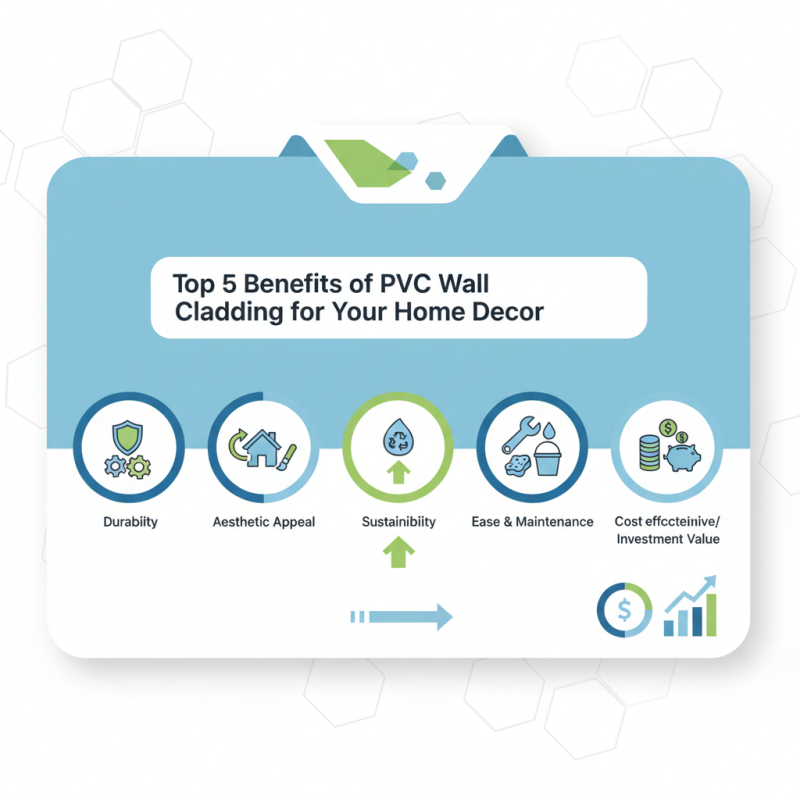
Top 5 Benefits of PVC Wall Cladding for Your Home Decor
Eco-Friendly Aspects: Sustainability Benefits of Using PVC in Interiors
Using PVC wall cladding in your home decor comes with notable eco-friendly aspects. PVC, or polyvinyl chloride, is a plastic that can contribute to sustainability in interior design. It is lightweight, which reduces transportation emissions. This characteristic makes it a smart choice for environmentally conscious homeowners.
One critical detail is that PVC can be recycled. Many products made from PVC can be reprocessed into new materials. This reduces waste and helps conserve resources. Additionally, PVC is often manufactured using fewer harmful chemicals than other materials. This leads to a lower environmental impact during production.
However, not everything about PVC is perfect. Some forms of PVC may not be biodegradable, raising concerns about long-term environmental effects. Homeowners should seek products that come from responsible manufacturers. This ensures that the materials used in their homes contribute positively to sustainability efforts. While PVC wall cladding presents clear benefits, it's essential to consider the entire lifecycle of the material.
Top 5 Benefits of PVC Wall Cladding for Your Home Decor
| Benefit |
Description |
Sustainability Aspect |
| Durability |
PVC wall cladding is highly resistant to wear, ensuring longevity and reduced need for replacement. |
Less waste generated over time due to lower replacement frequency. |
| Water Resistance |
Ideal for moist areas like bathrooms and kitchens, preventing mold growth. |
Contributes to healthier indoor environments by reducing mold and mildew. |
| Energy Efficiency |
Insulating properties help maintain temperature, reducing energy costs. |
Lower energy consumption supports sustainable living. |
| Low Maintenance |
Requires minimal upkeep compared to traditional materials. |
Decreases resource use for cleaning and maintenance products. |
| Design Versatility |
Available in various colors and textures, enhancing aesthetic appeal. |
Reduced surface treatment requirements extend product life and limit environmental impact. |