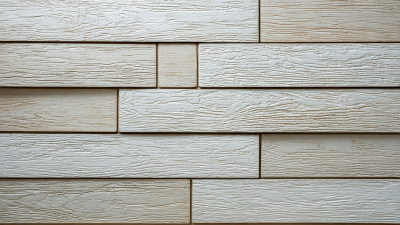
Top Benefits of PVC Wall Cladding for Your Home and Business Spaces?
PVC Wall Cladding is gaining popularity in both homes and businesses. It offers a practical solution for interior and exterior walls. Many property owners appreciate its durability and low maintenance needs. With increasing innovations, such as AI tools showcased at trade fairs like the Canton Fair, there's a growing emphasis on smart solutions. These advancements in materials and technology make PVC Wall Cladding an ideal choice for various applications.
The aesthetic appeal of PVC Wall Cladding cannot be overlooked. It comes in various designs and colors, allowing customization to suit any style. However, some may worry about the environmental impact of PVC materials. While they are often seen as a cost-effective option, consideration of sustainability is essential. Balancing cost and ecological responsibility poses a challenge.
In conclusion, embracing PVC Wall Cladding can enhance spaces significantly. Yet, it is crucial to reflect on sourcing and sustainability. Mindful consumption leads to better choices in both home and business environments.
Advantages of PVC Wall Cladding in Residential Applications
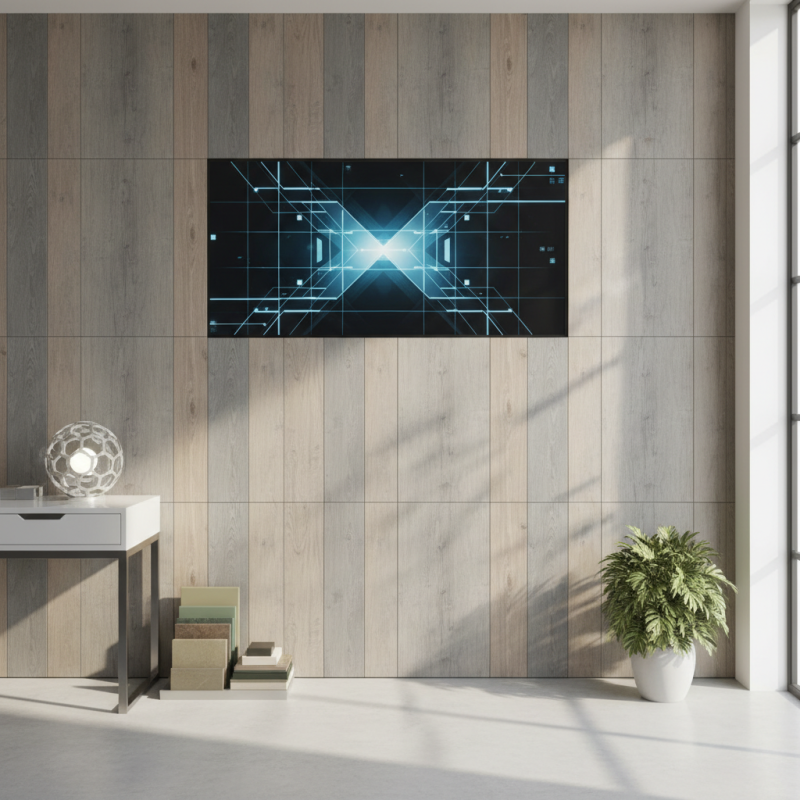
PVC wall cladding offers numerous advantages for residential spaces. It is lightweight, making installation easier and faster. The material is also resistant to moisture, preventing mold and mildew. This is crucial in bathrooms and kitchens. Moreover, PVC cladding requires minimal maintenance. A simple wipe-down is often enough to keep it looking fresh.
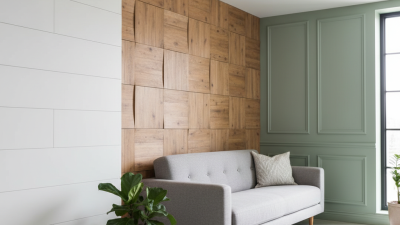
When considering PVC wall cladding, think about the aesthetic appeal. It comes in various colors and textures. This flexibility allows homeowners to create unique designs. However, be cautious with darker colors; they can make a room feel smaller. Use lighter shades to enhance spaciousness and brightness.
A tip for installation: ensure proper insulation behind the cladding. This can improve energy efficiency and comfort. It’s also wise to plan the layout before starting. Misalignment can lead to wasted materials and effort. Take your time during this phase; patience pays off in the end.
Top Benefits of PVC Wall Cladding for Your Home and Business Spaces
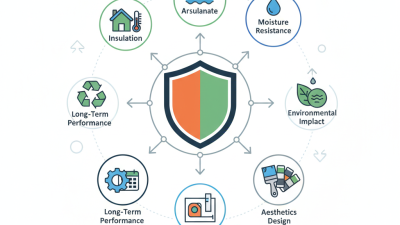
| Benefit |
Description |
| Durability |
PVC wall cladding is resistant to impact, moisture, and chemicals, making it ideal for various environments. |
| Low Maintenance |
Requires minimal cleaning and does not need regular repainting or finishing. |
| Cost-Effective |
Decrease in long-term maintenance and replacement costs compared to traditional materials. |
| Aesthetic Appeal |
Available in various colors, textures, and styles to enhance the visual appeal of spaces. |
| Eco-Friendly Options |
Many PVC wall cladding products are made from recycled materials and can be recycled at the end of their life. |
| Easy Installation |
Simple to install, often requiring no special skills, reducing labor costs. |
Cost-Effectiveness of PVC Wall Cladding Compared to Traditional Materials
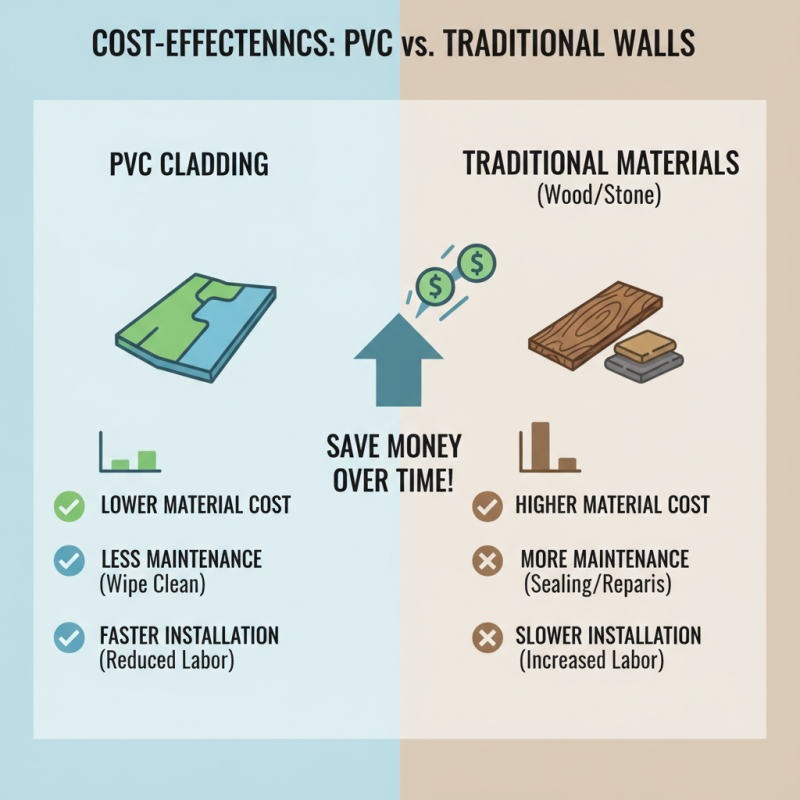
When considering wall coverings, the cost-effectiveness of PVC cladding shines. PVC is often cheaper than traditional materials like wood or stone. It requires less maintenance too, which saves you even more money over time. Installers can usually complete the job faster, reducing labor costs significantly.
However, while PVC can be a budget-friendly option, it does come with some reservations. Some people find it less luxurious compared to wood or tile. The aesthetic appeal can be a matter of personal taste. It's crucial to ensure that the design fits your space well. The versatility of PVC allows it to mimic various materials, but authenticity may still be questioned.
In busy environments, PVC can resist wear and tear better than traditional materials. It is durable and moisture-resistant, which can prevent costly repairs later on. Yet, it is still essential to have high-quality installation. Poor workmanship may lead to long-term problems. Always evaluate the trade-offs carefully before making a decision.
Durability and Longevity of PVC Wall Cladding: A Comprehensive Analysis
PVC wall cladding offers remarkable durability that many homeowners and business owners appreciate. This material can withstand harsh weather conditions, making it ideal for various environments. It’s resistant to moisture and does not warp or crack easily. For instance, in humid areas, its performance remains consistent over time. Regular paint and wallpaper might not hold up as well, leading to costly replacements.
The longevity of PVC wall cladding also means less frequent maintenance. Unlike wood, it doesn’t require painting or sealing. This can save both time and money in the long run. However, it is worth noting that improper installation may lead to issues. Gaps or misalignment can compromise its effectiveness and appeal. Additionally, while PVC is designed to last, it may begin to fade or discolor with extended sun exposure. It’s important to consider these factors when choosing material for walls.
Investing in PVC wall cladding can be beneficial, yet it requires careful thought. Choosing a high-quality product, along with proper installation, is crucial. Reflection on these elements will help ensure that the benefits of durability and longevity are fully realized.
Top Benefits of PVC Wall Cladding for Your Home and Business Spaces
Maintenance Benefits of PVC Wall Cladding for High-Traffic Areas
When it comes to high-traffic areas, the choice of wall cladding is crucial. PVC wall cladding offers outstanding maintenance benefits. It's resistant to moisture and stains, making it ideal for places like bathrooms and kitchens. A simple wipe can remove most marks. This ease of cleaning is a game changer for busy households and commercial spaces.
Another advantage is durability. PVC cladding can withstand daily wear and tear without losing its appeal. Unlike painted walls, there’s no risk of chipping or peeling. However, some may find that over time, colors can fade. Regular cleaning and care can extend its lifespan, but it's essential to set realistic expectations.
Additionally, PVC is lightweight and easy to install, which reduces installation times and overall costs. This can lead to quick renovations when needed. Yet, it’s vital to ensure proper fitting to avoid gaps. Such gaps can become a pain point, needing careful attention during maintenance. Balancing these factors can lead to a well-maintained space that stands the test of time.
Environmental Impact and Sustainability of PVC Wall Cladding Solutions
PVC wall cladding is a growing choice for many homes and businesses. Its appeal is not just in aesthetics, but also in its environmental benefits.
PVC, or polyvinyl chloride, can be recycled. This aspect helps reduce waste in landfills. Ideally, recycled materials could lead to less demand for new resources. However, not all PVC is made equal.
The sources of the raw material and the recycling process vary significantly.
The sustainability of PVC products hinges on responsible manufacturing. Some manufacturers use processes that minimize harmful emissions.
Choosing these options may lessen the overall impact on the environment. Still, the lifecycle of PVC can be challenging. While it lasts for years, its production sometimes involves toxic elements.
Without careful attention, this can overshadow its practical benefits.
Incorporating PVC wall cladding means considering both its utility and its ecological footprint. While they bring visual appeal and durability,
we must ask ourselves about the materials' origins.
Balancing style, cost, and environmental responsibility is key.
Ultimately, the decision should encompass both immediate benefits and long-term sustainability.