What are the Benefits of Plastic Cladding Sheets?
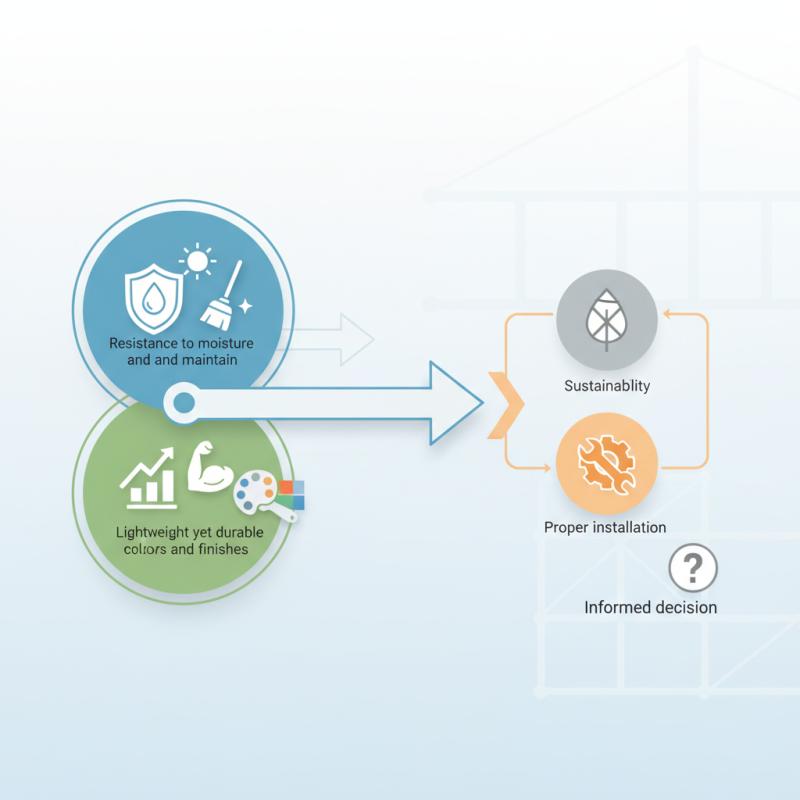
Plastic Cladding Sheets have gained popularity in construction and design. They offer a range of benefits that are hard to ignore. These sheets are lightweight yet durable, making them a practical choice for many applications. They come in various colors and finishes, enhancing aesthetic appeal significantly.
One key advantage of Plastic Cladding Sheets is their resistance to moisture and weather elements. This feature ensures longevity and reduces maintenance efforts. Additionally, they are easy to clean and maintain, which is perfect for busy environments. However, users must consider their installation properly to avoid potential issues.
Yet, some may find them less eco-friendly compared to other materials. This raises questions about their sustainability in the long run. Evaluating both the benefits and drawbacks is essential for making informed decisions. Ultimately, Plastic Cladding Sheets present a compelling option, but reflection on their environmental impact is necessary.
Overview of Plastic Cladding Sheets and Their Uses
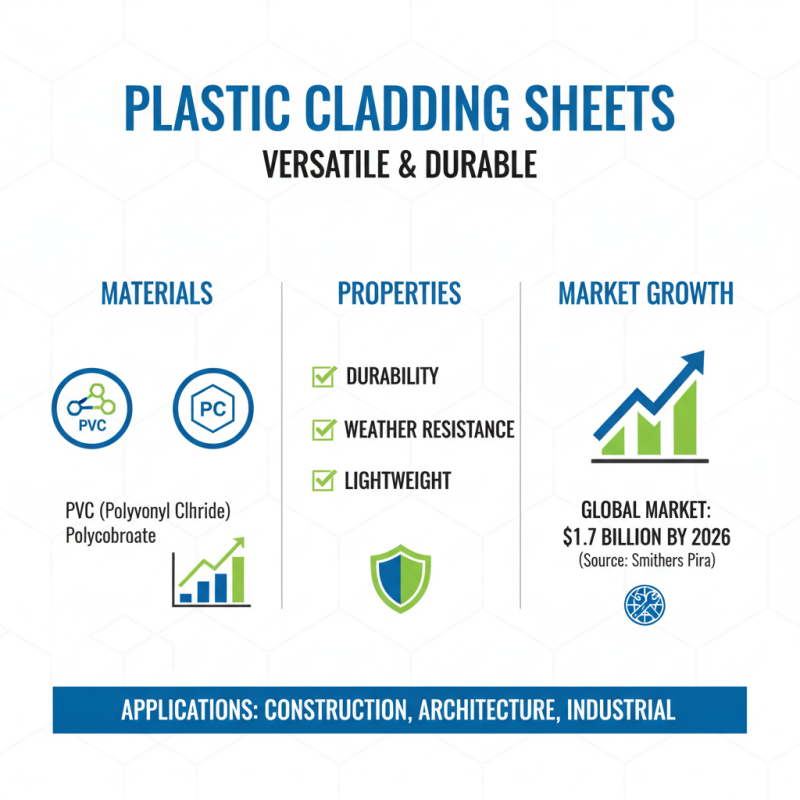
Plastic cladding sheets have gained popularity across various industries. These sheets are often made from materials like PVC and polycarbonate. They offer excellent durability and weather resistance. According to a recent industry report from Smithers Pira, the plastic cladding market is projected to reach $1.7 billion by 2026. This growth highlights their increasing applications in construction and architecture.
One significant use of plastic cladding sheets is in building facades. They provide aesthetic appeal while ensuring insulation. In addition, they protect against moisture and UV rays. Data from the National Association of Home Builders shows that 70% of builders favor cladding materials that are low maintenance and long-lasting. However, some challenges arise regarding their recyclability and environmental impact. Addressing these concerns is vital for sustainable development.
Moreover, plastic cladding is often employed in agricultural settings. The sheets can shield crops from extreme weather. They can also improve energy efficiency in greenhouses. According to a report by Grand View Research, the agricultural segment alone is expected to witness a CAGR of 5% from 2022 to 2030. Yet, there remains a need for innovation to enhance their lifecycle and minimize waste.
Durability and Longevity of Plastic Cladding Sheets
Plastic cladding sheets have gained popularity due to their durability and longevity. These sheets resist harsh weather conditions, making them ideal for outdoor applications. They are often used in construction to protect buildings from moisture, UV rays, and extreme temperatures. Because of this, they maintain their color and structure over time, unlike other materials that can fade or rot.
One of the notable features of plastic cladding sheets is their resistance to impact. They withstand blows and won’t easily crack or break. This impact resistance makes them suitable for high-traffic areas. However, it is important to consider that while they are durable, they may still require some maintenance to keep them looking their best. Dirt can accumulate, and regular cleaning will be necessary to sustain their appearance.
The longevity of plastic cladding sheets can also raise questions. Some might wonder about the environmental impact once they reach the end of their life cycle. While these sheets last longer than many alternatives, better recycling options need to be explored. This part of sustainability remains a topic worth discussing as we seek to balance durability with eco-friendliness.
Cost-Effectiveness of Using Plastic Cladding Sheets
Plastic cladding sheets offer significant cost-effectiveness for various building projects. They are lighter than traditional materials, which reduces shipping expenses. This also simplifies the installation process, saving labor costs. Additionally, plastic cladding is durable, minimizing the need for frequent replacements. Over time, this can lead to substantial savings for builders and homeowners alike.
When opting for plastic cladding sheets, consider the long-term maintenance costs. While they may be cheaper initially, some products may fade or crack under sunlight. It's vital to choose the right thickness and quality. A thorough comparison of options can help avoid overspending later.
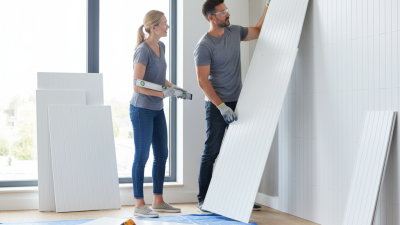
Tips for installation: Ensure a proper fit and seal all edges to prevent moisture ingress. Regular cleaning can also maintain appearance and longevity. In addition, keep an eye on the local climate. Some plastics may not perform well in extreme temperatures. This can lead to further expenses down the line.
Insulation and Energy Efficiency Benefits of Plastic Cladding
Plastic cladding sheets offer significant insulation and energy efficiency advantages. These materials improve thermal performance, reducing heating and cooling costs. According to recent industry reports, using plastic cladding can lead to energy savings of up to 30% in some buildings. This reduction results from the ability of plastic sheets to minimize heat transfer.
Tip: Always check insulation ratings when selecting cladding materials. Higher ratings mean better energy efficiency.
Plastic cladding is lightweight yet robust. It provides a strong barrier against extreme weather. This can help maintain temperature control indoors. A study revealed that buildings with plastic cladding maintain a more stable internal environment, resulting in lower energy consumption.
Tip: Consider local climate conditions when choosing plastic cladding. Different environments can affect insulation effectiveness.
While plastic cladding has many advantages, it’s vital to consider its life cycle and environmental impact. Variation in quality can also affect performance. Not all plastic cladding sheets are created equal. Therefore, thorough research is necessary to make an informed decision.
Aesthetic Variety and Design Flexibility with Plastic Cladding Sheets
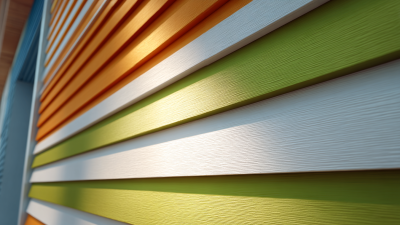
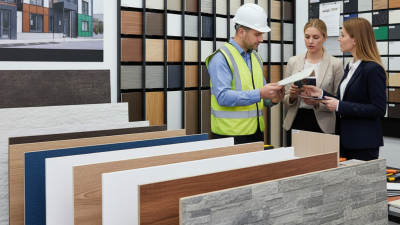
Plastic cladding sheets offer incredible design flexibility. They come in various colors, textures, and patterns, allowing endless creative combinations. A recent industry report highlighted a growing trend:
70% of architects prefer using plastic cladding for its aesthetic options. Customization is often a top priority for designers.
The ability to mimic materials like wood or stone is a standout feature. Plastic sheets are lightweight and easy to handle. This is not just about looks; it's also about performance. Studies have shown that buildings using plastic cladding can reduce energy consumption by up to
20%. Color retention and durability are often lacking in some materials, but plastic excels in these areas.
However, a common oversight can be the environmental impact of plastic production. While they offer excellent longevity, we should reflect on sustainability. Finding alternatives or more eco-friendly options remains essential. It’s a complex balance between aesthetics and environmental responsibility. As the industry evolves, we need to question our material choices and their broader implications.