2026 Top Plastic Wall Cladding Trends and Innovations to Watch Out For?
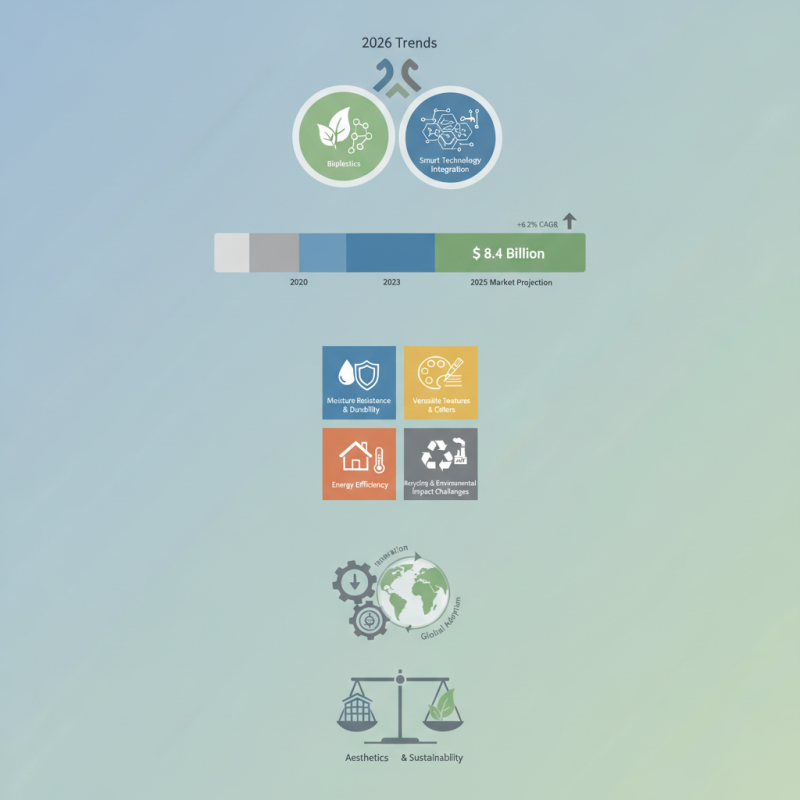
As we approach 2026, the landscape of construction materials is rapidly evolving. The emergence of innovative designs and sustainable solutions has made plastic wall cladding increasingly popular. According to recent reports from Market Research Future, the global plastic wall cladding market is projected to reach $8.4 billion by 2025, showing a compound annual growth rate (CAGR) of 6.2%.
Plastic wall cladding is celebrated for its versatility and durability. This material is not only resistant to moisture but also offers a variety of textures and colors. The desire for energy-efficient solutions drives residential and commercial markets to adopt plastic options. However, challenges like recycling and environmental impact raise questions about sustainability. The industry must address these issues to meet consumer expectations.
In 2026, trends may revolve around bioplastics and smart technology integration. Architects and designers are increasingly interested in creating adaptable spaces. They seek materials that balance aesthetics with function. Still, the industry must reflect on its practices and aim for transparency. The future of plastic wall cladding relies on innovation and responsibility.
Emerging Materials in Plastic Wall Cladding for 2026
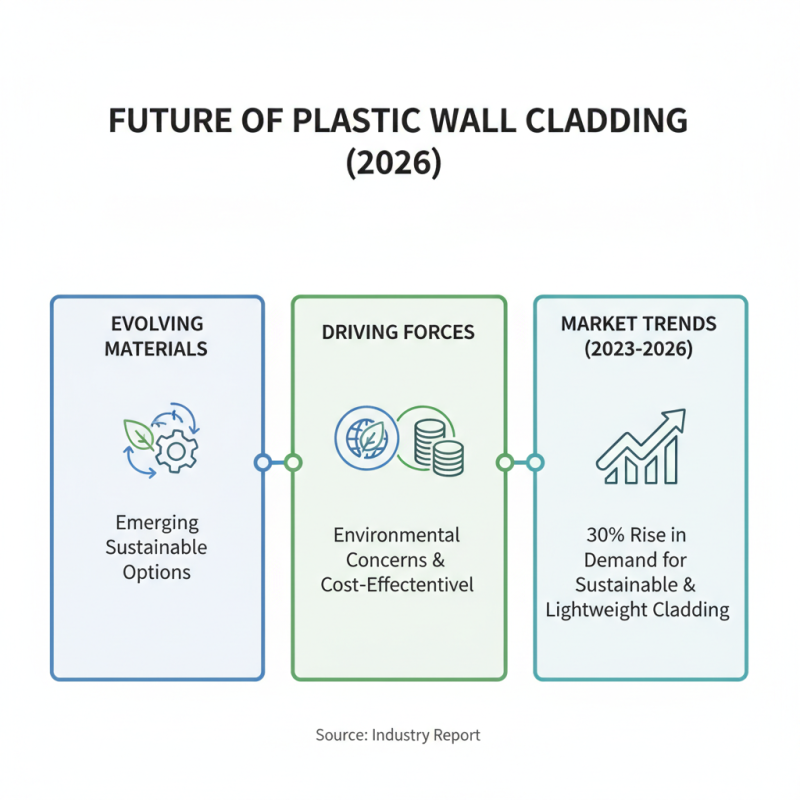
As we approach 2026, the world of plastic wall cladding is evolving rapidly. Emerging materials are at the forefront of this transformation. According to a recent industry report, the demand for sustainable and lightweight cladding options is expected to rise by 30% over the next few years. This shift is driven by both environmental concerns and the need for cost-effective solutions in construction.
Biodegradable plastics are gaining traction. These materials offer a greener alternative, reducing the carbon footprint of buildings. Additionally, innovations in recycled plastics are paving the way for high-quality cladding with lower environmental impact. Some estimates suggest that recycled plastic can cut production costs by up to 20%. This promise of affordability is tempting, yet it raises questions. How sustainable are these processes in the long run?
Other notable developments include advanced composite materials. These are designed for better durability and aesthetic appeal. However, not all composites are created equal. Some may compromise on flexibility and resistance. Industry experts suggest that thorough testing is crucial before mass adoption. The balance between innovation and practicality remains a challenge. Overall, 2026 holds exciting prospects but also demands careful consideration.
Innovative Design Trends Shaping Plastic Wall Cladding
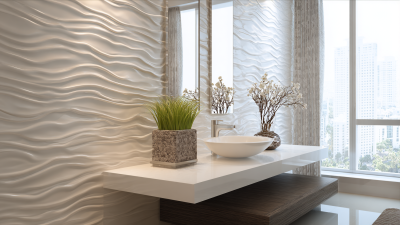
The plastic wall cladding industry is experiencing exciting shifts. Creative designs are emerging, driven by the need for versatility and sustainability. A key trend is textured finishes that mimic natural materials. These designs add warmth and depth to spaces. Subtle patterns and colors can enhance the visual appeal, making rooms feel inviting.
Another innovation is the use of modular panels. They allow for easy installation and customization. Homeowners appreciate the freedom to create unique layouts. However, some may find these panels less durable than traditional materials. This raises questions about longevity and maintenance. While the look is appealing, one must weigh practicality against aesthetics.
Sustainability is also taking center stage. Eco-friendly materials are being developed, reflecting a growing awareness of environmental issues. Recycled plastics are gaining popularity, yet they may present challenges in design options. Balancing innovation with ecological impact requires careful thought. As these trends unfold, they prompt us to reflect on the future of design.
Sustainability Practices in Plastic Wall Cladding Production
Sustainability is changing the landscape of plastic wall cladding production. Many manufacturers now focus on using recycled materials. This practice reduces waste and lowers carbon footprints. The new innovation is bio-based plastics, derived from renewable sources. These materials are often lighter and can enhance energy efficiency.
Designers should pay attention to the lifecycle of materials. It is essential to consider how cladding will be disposed of. Recyclability is crucial. Plastic can linger in the environment if not properly managed. Look for options that prioritize end-of-life solutions.
Tips: Choose suppliers that emphasize sustainable practices. Testing the performance of materials can also reveal their environmental impact. Always ask questions about sourcing and production methods. This knowledge is key for making informed decisions.
2026 Top Plastic Wall Cladding Trends and Innovations to Watch Out For - Sustainability Practices in Plastic Wall Cladding Production
| Trend/Innovation |
Description |
Sustainability Impact |
Material Source |
| Recycled Plastic Use |
Increased incorporation of recycled plastics into wall cladding products. |
Reduces landfill waste and decreases carbon footprint. |
Post-consumer waste |
| Biodegradable Options |
Development of biodegradable plastic wall cladding materials. |
Minimizes long-term environmental impact. |
Natural fibers and starch-based polymers |
| Smart Materials |
Integration of smart technologies in wall cladding for energy efficiency. |
Enhances energy-saving and reduces heating/cooling costs. |
Various recycled composites |
| Modular Cladding Systems |
Adoption of modular systems for easier installation and reusability. |
Reduces material waste and construction time. |
Engineered polymers |
| Self-Cleaning Surfaces |
Development of surfaces that repel dirt and grime. |
Lowers maintenance needs and extends lifespan of materials. |
Innovative coatings |
Technological Advancements Enhancing Plastic Wall Cladding Durability
The field of plastic wall cladding is evolving rapidly. Recent technological advancements are enhancing durability and functionality. These innovations make cladding a popular choice for both residential and commercial properties. With greater resistance to wear and tear, this material is much more reliable than before.
One notable advancement is the use of advanced polymers. These materials offer superior strength, ensuring that panels withstand the test of time. They’re also designed to resist UV radiation, making colors less likely to fade. This is especially important for outdoor applications.
Tip: When selecting wall cladding, consider the environment it will face. Is it exposed to harsh sunlight? Choose materials specifically designed to handle such conditions.
Additionally, self-cleaning surfaces are gaining traction. These surfaces repel dirt and grime, reducing maintenance efforts. This means less time spent cleaning and more time enjoying your space. However, this technology can vary in efficiency. It's crucial to research before making a decision.
Tip: Look for product reviews on self-cleaning features. Not all options perform equally well.
Key Aesthetic Trends to Consider in Plastic Wall Cladding Design
Plastic wall cladding is increasingly popular in modern design. As we look ahead to 2026, several aesthetic trends are emerging. Textured finishes are gaining traction. They add depth and interest to spaces. Soft, tactile surfaces evoke warmth and comfort. These designs invite touch and create a more engaging environment.
Color choices are evolving too. Earthy tones are in vogue. Rich browns, muted greens, and warm grays bring nature indoors. These colors create a calming atmosphere. Bright, bold shades can also be used strategically for impact. A vibrant accent wall can energize a room.
**Tips:** When choosing colors, consider natural light. It greatly influences how colors appear. Test samples in different lighting before making a decision. Also, think about maintenance. Textured cladding may trap dust but adds character. Simplify cleaning routines to enjoy your aesthetics without hassle. Remember, beauty should never come at the cost of practicality.
2026 Top Plastic Wall Cladding Trends