2026 Top Plastic Cladding Sheets Benefits and Applications?
As the construction industry evolves, **Plastic Cladding Sheets** have gained significant traction. A recent report by Grand View Research estimates the global plastic cladding market will reach $14 billion by 2026. This growth is fueled by rising demand for durable and lightweight materials in both residential and commercial applications.
Plastic Cladding Sheets offer a myriad of benefits. They are resistant to moisture, UV light, and chemicals, making them ideal for various environments. These sheets also come in various styles and colors, allowing for aesthetic flexibility. However, questions remain about their environmental impact. While they provide practical advantages, the long-term sustainability of plastic products poses challenges.
In addition to cost-effectiveness, the adaptability of Plastic Cladding Sheets supports innovative designs. Builders and architects are increasingly using these sheets to enhance energy efficiency and reduce heating costs. Nonetheless, the industry must reflect on the balance between utility and environmental responsibility as we move forward into 2026.
Benefits of Plastic Cladding Sheets in Modern Construction Industry
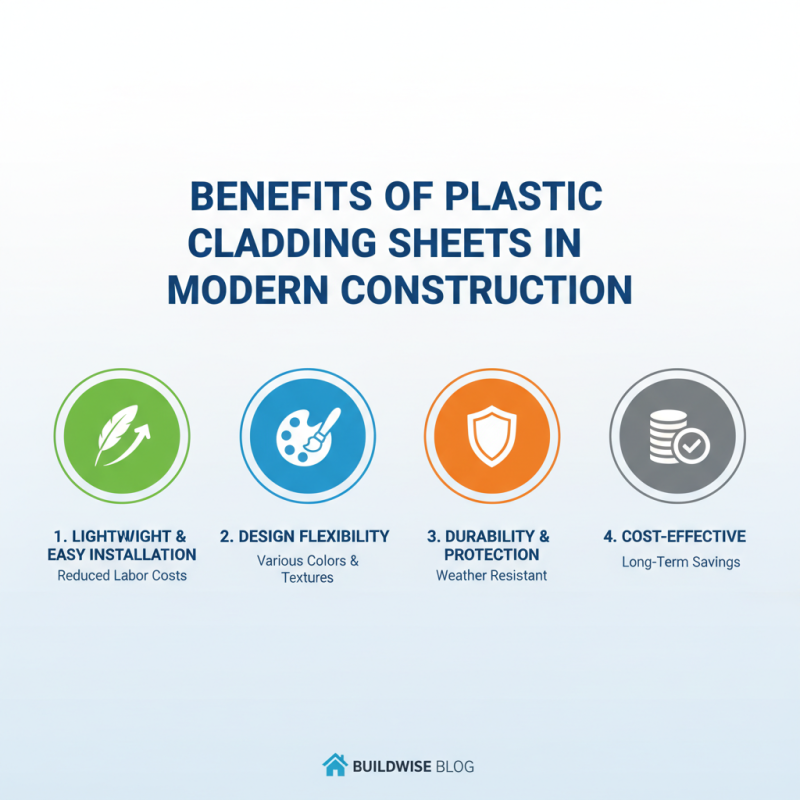
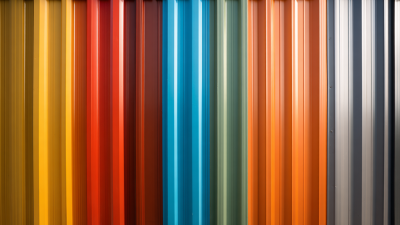
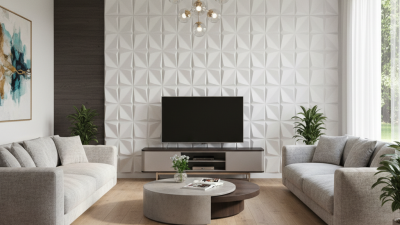
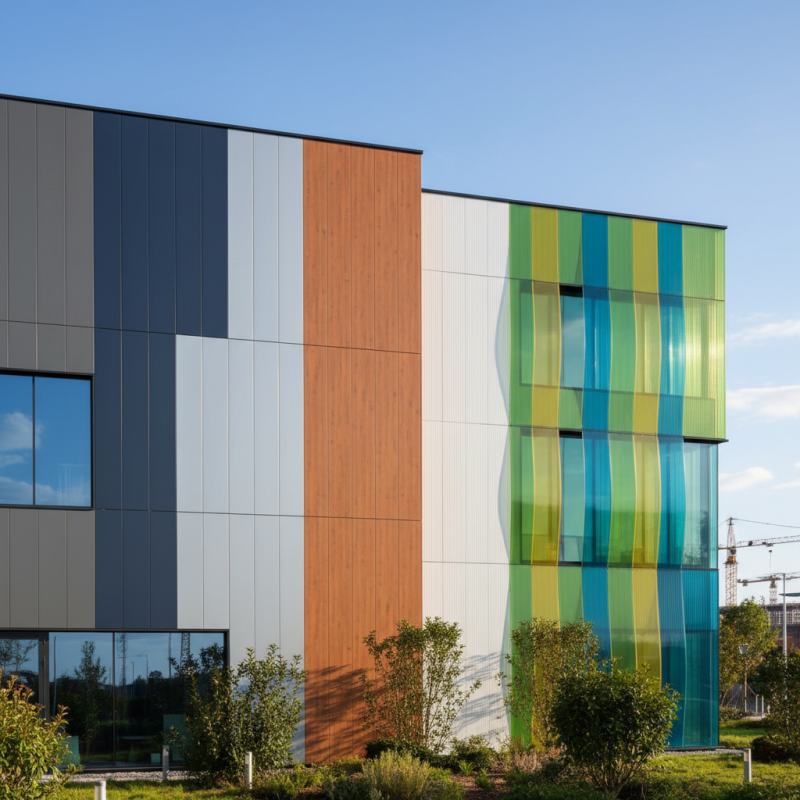
Plastic cladding sheets are becoming essential in modern construction. They offer a range of benefits that appeal to builders and architects alike. Lightweight and easy to install, these sheets reduce labor costs significantly. They come in various colors and textures, allowing for creative designs without sacrificing functionality.
Durability is another key benefit. Plastic cladding sheets resist moisture, corrosion, and UV rays. This longevity can save time and money on repairs or replacements. However, not all plastic sheets perform equally. Some may fade over time or develop scratches. It's crucial to choose wisely to avoid potential pitfalls.
In terms of applications, plastic cladding sheets are versatile. They can be used in residential, commercial, and industrial buildings. From exterior facades to interior designs, the possibilities are expansive. Nevertheless, some may worry about the environmental impact. Recycling options for plastic materials can be limited. Construction professionals must consider sustainability when choosing cladding solutions.
Applications of Plastic Cladding Sheets in Residential and Commercial Spaces
Plastic cladding sheets are gaining popularity in both residential and commercial spaces. They provide a durable and versatile solution for various applications. In homes, these sheets can enhance the exterior aesthetics, offering a sleek, modern look. Many homeowners choose plastic cladding for its lightweight nature, making installation easier. Vibrant colors and textures add personality to home facades.
In commercial settings, plastic cladding sheets are often used for signage and protection. They can withstand weather conditions, ensuring long-lasting appeal. Many businesses prefer these sheets as they are easier to maintain compared to traditional materials. A clean, polished surface can attract customers and elevate branding efforts.
However, there are considerations to keep in mind. The quality of plastic cladding can vary significantly. Choosing the right type is essential for longevity and performance. Some sheets may fade or crack over time if not properly cared for. It's important to weigh the options and consider environmental impacts. Thoughtful choices can lead to better results in the long run.
2026 Top Plastic Cladding Sheets Benefits and Applications
| Application Area |
Benefits |
Material Types |
Typical Uses |
| Residential Buildings |
Durability, Low Maintenance, Aesthetic Appeal |
Polyvinyl Chloride (PVC), Polycarbonate, Acrylic |
Siding, Interior Wall Panels |
| Commercial Spaces |
Weather Resistance, Energy Efficiency |
High-Density Polyethylene (HDPE), Fiberglass Reinforced Plastic (FRP) |
Facade Cladding, Roof Edging |
| Industrial Buildings |
Chemical Resistance, Impact Resistance |
Polypropylene, PVC |
Walls, Machinery Enclosures |
| Healthcare Facilities |
Hygienic Surface, Easy to Clean |
Vinyl, Acrylic |
Wall Panels in Clinics, Hospitals |
Comparative Analysis: Plastic Cladding Sheets vs. Traditional Materials
When comparing plastic cladding sheets to traditional materials, the differences are stark. Plastic sheets are lightweight and easy to handle, making installation more efficient. Unlike wood or metal, they resist rot and corrosion, which can be a huge advantage in harsh environments. Traditional materials often require regular maintenance, while plastic cladding can withstand tough conditions with minimal care.
However, not all plastic cladding options are created equal. Some may not have the aesthetic appeal of wood. The sheen of plastic can look artificial, which might not suit every design. Additionally, there are concerns about the environmental impact of producing plastic. It’s essential to consider sustainability when choosing materials.
Cost is another factor to weigh. Initially, plastic might seem more affordable. But long-term durability can offset these costs. Evaluating these trade-offs is crucial before making a decision. Each project has unique demands and finding the right balance can be challenging.
Market Growth Projections for Plastic Cladding Sheets by 2026
The plastic cladding sheets market is expected to see significant growth by 2026. Factors such as increased demand for lightweight and durable materials are driving this trend. Many industries are now adopting plastic cladding due to its versatility. It offers excellent insulation properties while being resistant to corrosion. Buildings are crafted with sleek designs using these sheets.
The construction sector is a major contributor to market growth. Urbanization is pushing the need for innovative building materials. Plastic cladding sheets are favored for their aesthetic appeal and functionality. They come in various colors and textures, allowing for creative freedom. However, manufacturers must address challenges like environmental concerns. Recycling and sustainability remain pressing issues.
The market could be influenced by the rise of green building practices. More projects prioritize eco-friendly materials. Despite the positive outlook, the industry faces hurdles. It is essential to balance growth with responsible practices. Stakeholders must reflect on the long-term impacts of their choices. This careful consideration will shape the future of plastic cladding sheets.
2026 Top Plastic Cladding Sheets Benefits and Applications
This bar chart illustrates the benefits of plastic cladding sheets projected for 2026. Each benefit is represented as a percentage indicating its importance in the usage and application of plastic cladding within various industries.
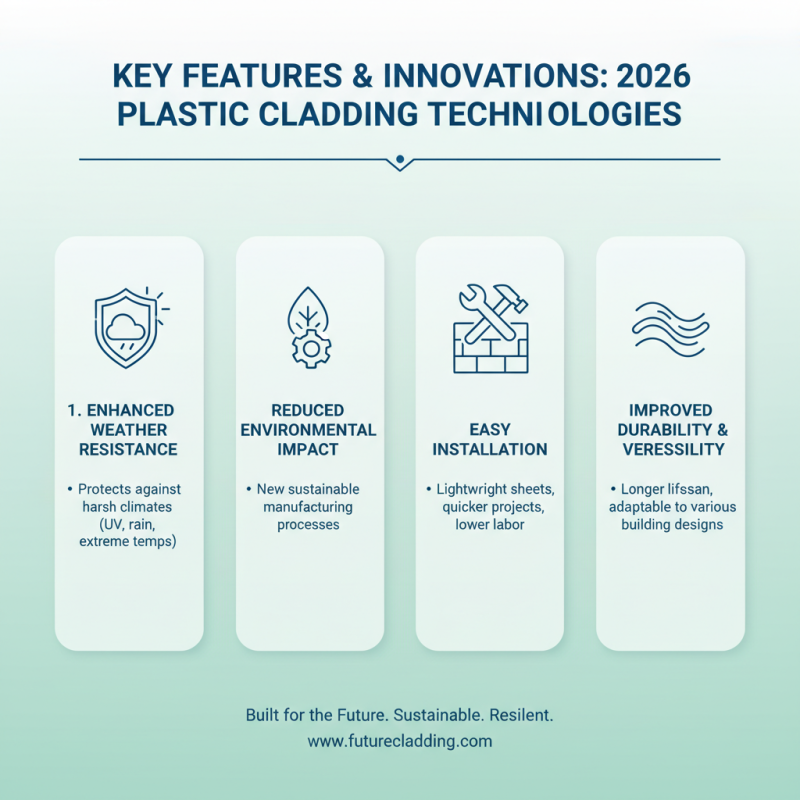
Key Features and Innovations in 2026 Plastic Cladding Technologies
In 2026, plastic cladding technologies have evolved significantly. These innovations offer improved durability and versatility. One key feature is enhanced weather resistance, which protects buildings from harsh climates. Additionally, new manufacturing processes reduce environmental impact, aligning with sustainability trends. Easy installation remains a notable benefit. Lightweight sheets allow for quicker projects and lower labor costs.
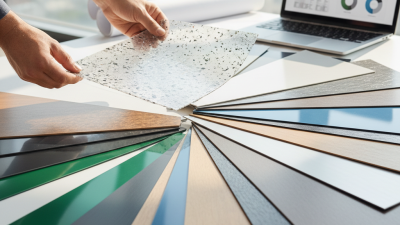
When considering cladding options, pay attention to the aesthetic appeal. A variety of colors and textures are available. This flexibility helps architects and builders express unique styles. However, balancing aesthetics with performance can be challenging. It's essential to choose a material that complements the building's design while ensuring longevity.
Tips: Always ask for samples before making decisions. This will help you visualize how the cladding looks in real settings. Regular maintenance checks can prevent minor issues from becoming significant problems. Remember, durability is just one aspect; performance also depends on proper installation and care.